


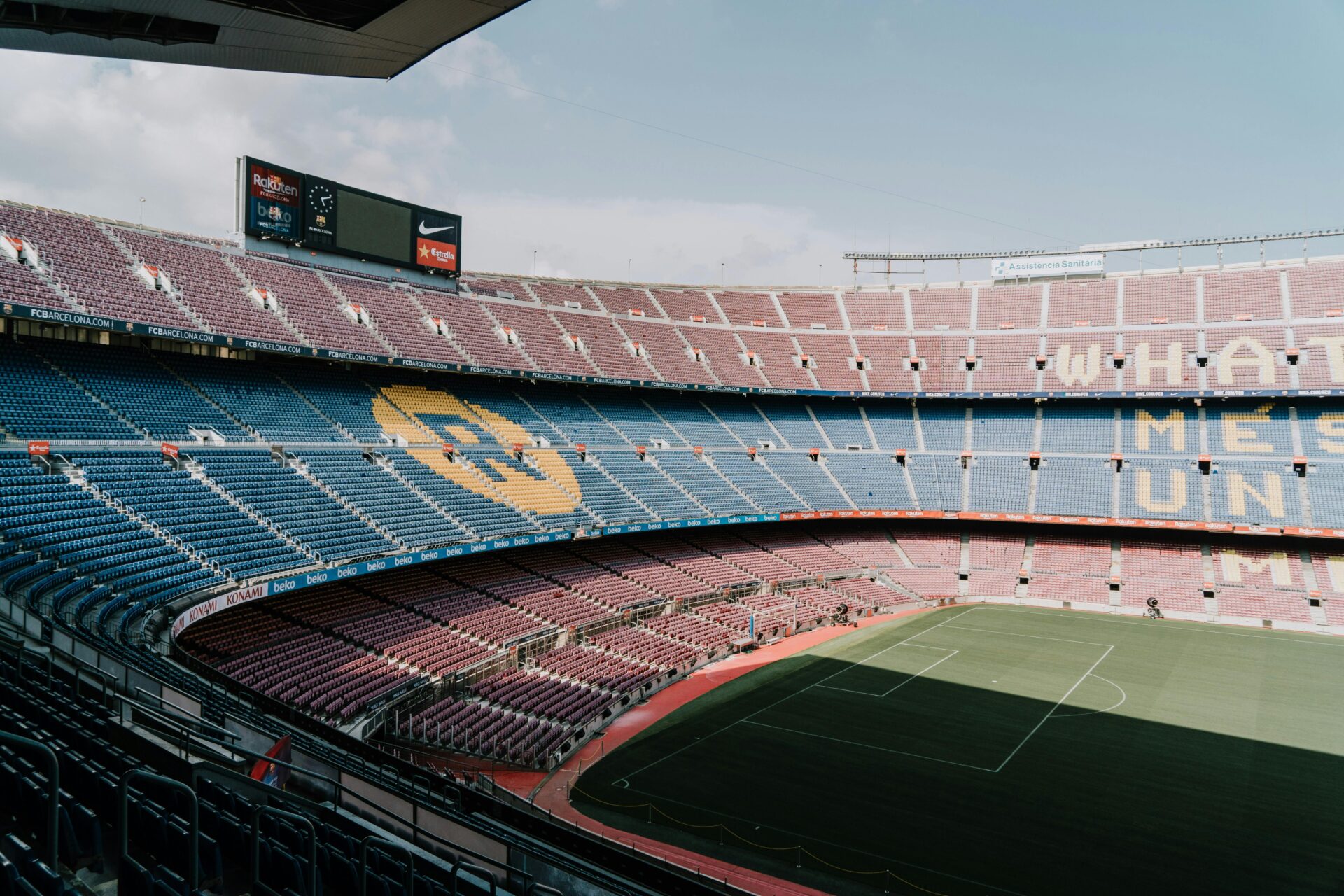
Spain’s love affair with soccer is as deep and enduring as any cultural tradition. The vibrant energy of La Liga, the passion of El Clásico, and the international triumphs of the national team are all testaments to how soccer has shaped the identity of the Spanish people. But this deeply entrenched culture didn’t spring forth fully formed from the professional arenas of Madrid or Barcelona. The roots of Spain’s soccer culture lie in the dusty streets, neighborhood squares, and schoolyards, where children first learned to kick a ball with whatever object was available and where passion, not money or prestige, was the driving force.
The journey from street games to world-class stadiums in Spain is one of social transformation, political influence, and local pride. Understanding how soccer evolved from a pastime of the working class into a symbol of national unity and global dominance requires tracing its history through the lives of the people who nurtured it long before it became a billion-euro industry. The story of Spanish soccer is not only about teams and trophies—it’s a chronicle of how a simple game became a cultural cornerstone.
The Humble Origins of a National Passion
Soccer’s origins in Spain date back to the late 19th century, when British expatriates and sailors brought the game to the Iberian Peninsula. While it was initially seen as a novelty, it quickly captured the imagination of the Spanish working class, particularly in port cities like Huelva, Bilbao, and Barcelona. These regions were not only the first to host competitive matches but also became early powerhouses of club soccer. In 1889, Spain’s first official club, Recreativo de Huelva, was founded by British workers, marking the beginning of an organized soccer movement in the country.
However, it wasn’t the upper classes or foreign elites who truly embedded soccer into the heart of Spanish society—it was the local youths playing barefoot in alleyways and open fields. These informal matches laid the groundwork for the community-based club system that still defines much of Spanish soccer today. In neighborhoods across the country, young boys used rolled-up socks, rubber balls, or anything remotely spherical to recreate the moves they had seen or imagined, using walls and curbs as goalposts. These impromptu matches were more than games; they were training grounds where future legends took their first steps, unknowingly contributing to a national obsession.
What made soccer particularly potent in Spain was how it mirrored the broader social and political shifts of the time. As industrialization took hold and urbanization increased, the sport became a unifying force for communities fragmented by change. In the early 20th century, soccer clubs began to represent more than just athletic prowess—they symbolized regional pride, social identity, and a sense of belonging. The sport was democratized in a way few others were; it required little equipment, offered a level playing field, and provided a powerful escape from daily hardships. This same spirit of community building and strategic foresight is now reflected in initiatives like network planning in San Antonio. 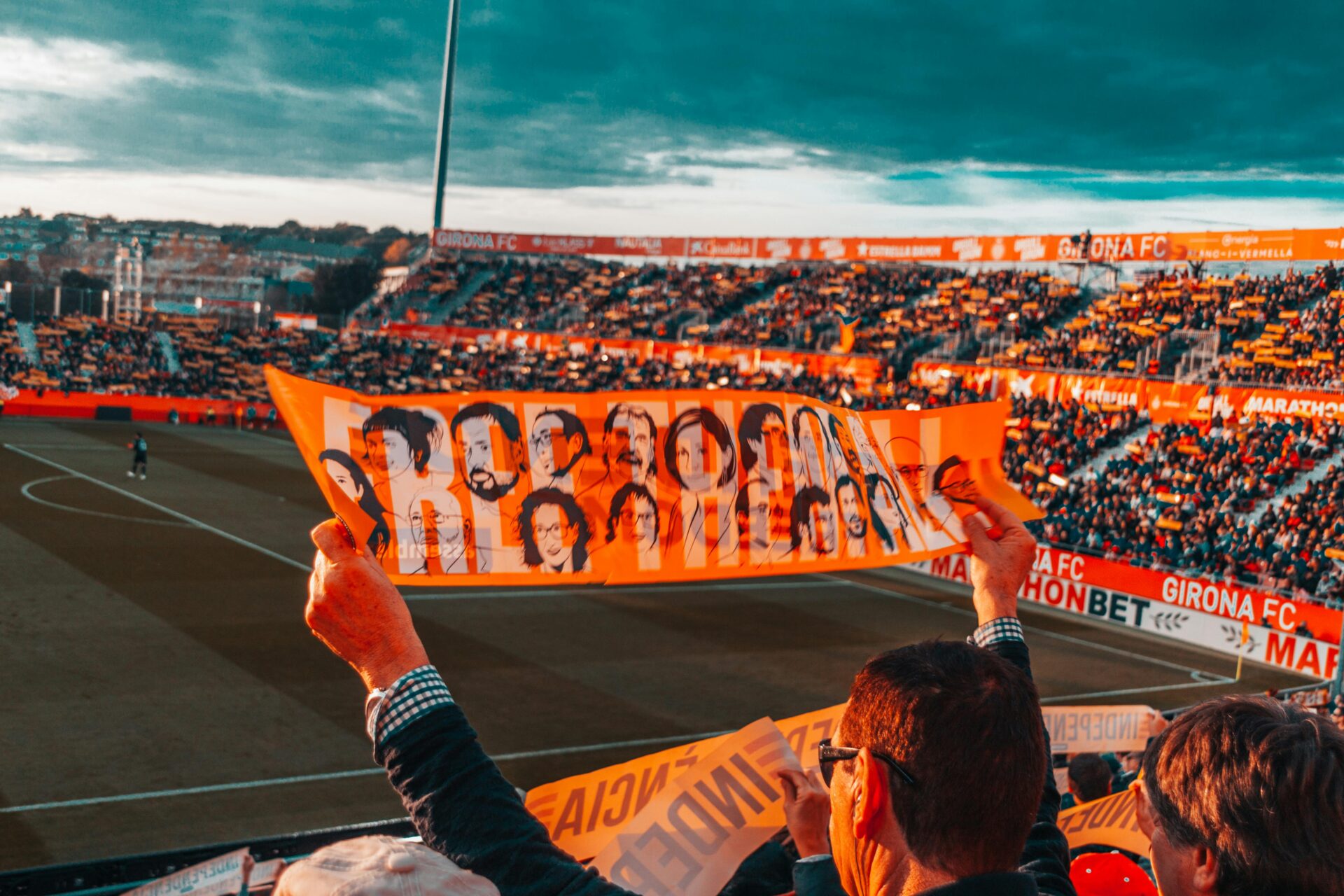
The Club Culture and Regional Identity
Spain’s regional diversity has always been a defining feature of its national character. From the fiercely independent Basques in the north to the proud Catalans in the east, regional identity in Spain is not just cultural—it’s political. Soccer, perhaps more than any other institution, became a vessel through which these identities could be celebrated, contested, and broadcast to the wider world.
Clubs like FC Barcelona and Athletic Bilbao were not just sporting organizations; they were symbols of defiance, pride, and cultural preservation. For Catalonia and the Basque Country, where language and cultural expression were often suppressed, especially under Franco’s regime, soccer offered a rare public platform. Matches became peaceful battlegrounds, where chants in local dialects and displays of regional flags conveyed messages that would have been censored in other forms.
Barcelona, famously referred to as “Més que un club” (More than a club), embodied this phenomenon. From the beginning of the 20th century, Barça was more than a soccer team—it was a representation of Catalan identity, resistance, and aspiration. Similarly, Athletic Bilbao’s policy of only fielding players of Basque heritage further entrenched the club’s role as a guardian of local pride and values. These clubs became rallying points for their communities, and their fierce rivalries with teams from other regions, particularly Real Madrid, were often seen as proxies for larger socio-political tensions. If you’re looking to enhance your property’s security and curb appeal, consider reaching out to a reputable aluminum fence installation in Tennessee.
Meanwhile, Real Madrid emerged as a symbol of centralized power and Spanish nationalism, particularly under Francisco Franco, who used the team’s success as a propaganda tool. While the extent of the regime’s influence over the club is still debated, the perception of Real Madrid as the “establishment” team created deep-rooted rivalries that endure to this day. The clash between Real Madrid and Barcelona—El Clásico—is not just a sporting contest; it’s a cultural confrontation, steeped in historical grievances and regional pride.
The Franco Era and Soccer as Propaganda
The Spanish Civil War and the subsequent dictatorship of Francisco Franco marked a dark chapter in the nation’s history. Yet even during this period of repression and censorship, soccer thrived. In fact, Franco’s regime recognized the power of the sport as a tool for both distraction and national unity, and thus invested heavily in its promotion. If you’re looking to maintain a healthy environment alongside personal wellness, consider professional services like mold removal in Burlington County, NJ.
Franco saw in soccer the potential to create a unified Spanish identity, even if that meant manipulating the sport to serve political ends. Real Madrid, during this era, became an instrument of the regime’s public image. The team’s unprecedented success in the 1950s and 60s, particularly in European competitions, was touted as proof of Spain’s progress and modernity under Franco’s rule. While not all fans of Real Madrid supported Franco, the association stuck, and the club became viewed by many as representing state power and authoritarianism.
Yet, ironically, the regime’s focus on using soccer to promote nationalism also allowed for regional identities to survive and adapt. Matches between Real Madrid and FC Barcelona became symbolic battles between the center and the periphery, between control and resistance. Even as regional languages and expressions were banned in public spaces, they flourished in soccer stadiums. Catalan chants, Basque flags, and regional symbols found sanctuary within the sport.
Outside of the political arena, soccer also became a form of escapism for the Spanish people during these difficult years. In a time when freedom of expression was limited and economic conditions were challenging, soccer offered a space for joy, creativity, and collective emotion. Weekend matches became communal events, where entire neighborhoods would gather around radios or televisions to listen to or watch games. The players became heroes, embodying a sense of hope and excellence that was otherwise absent in everyday life. Many companies now celebrate wellness milestones and achievements with beautifully crafted bulk trophies. 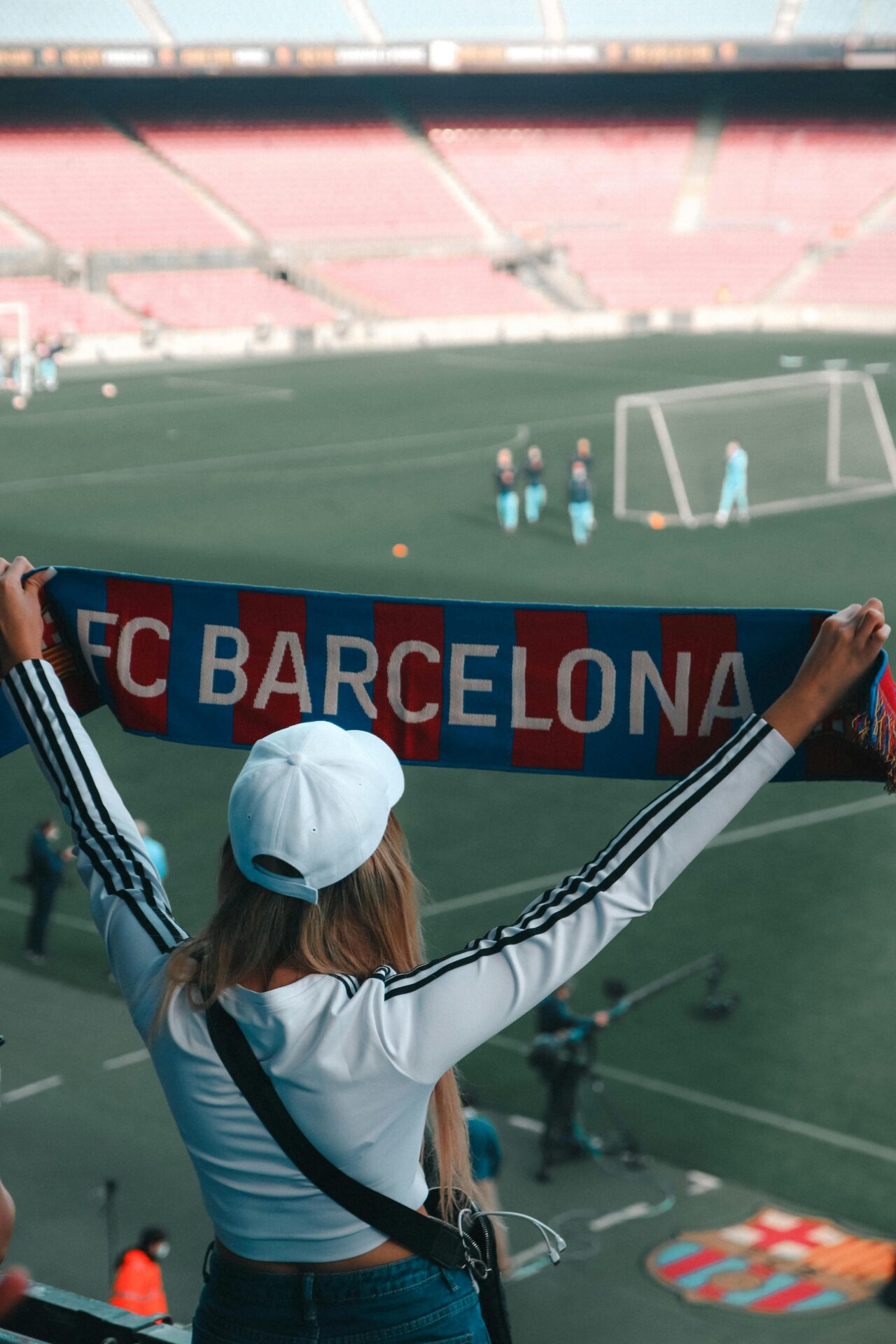
The Transition to Democracy and the Rise of Modern Football
The death of Franco in 1975 ushered in a new era for Spain. With the transition to democracy came an explosion of cultural expression, and soccer was no exception. The sport underwent a dramatic transformation, evolving from a politically charged battleground into a more professional, globalized industry. However, even as Spain embraced modernity, soccer retained its deep roots in community and identity. For those seeking relaxation after a thrilling match or cultural adventure, many visitors have come to appreciate the rejuvenating experience of an Asian hotel outcall massage.
During the late 1970s and 1980s, many of Spain’s top clubs began to modernize their operations, investing in youth academies, facilities, and international scouting. Clubs like Barcelona and Real Madrid began attracting global talent, while also nurturing local stars through youth programs like La Masia. This dual approach—global appeal with local authenticity—became a hallmark of Spanish soccer’s success.
At the same time, the rise of television and commercial sponsorship transformed soccer into a major economic force. Broadcast deals brought millions into club coffers, while the emergence of La Liga as one of Europe’s premier competitions increased Spain’s visibility on the global stage. Stadiums expanded, fanbases grew, and the sport became more than a national pastime—it became an international business.
The Enduring Legacy of Street Soccer in Modern Spain
Today, Spain boasts some of the most advanced soccer infrastructure in the world. From world-renowned clubs like Barcelona, Real Madrid, and Atlético Madrid to thriving youth academies and professional leagues, the Spanish game is admired for its technical precision, tactical sophistication, and competitive spirit. Yet, for all the glitz and global reach, the soul of Spanish soccer remains grounded in its street-level origins. For those looking to enjoy a unique treat, ice cream cone edibles extra strong offer a delightful and potent experience.
Across the country, one can still find children playing impromptu matches in alleyways, plazas, and beaches. These informal games are not only rites of passage but also incubators of creativity, skill, and imagination. Many of Spain’s greatest players began their journey in such settings, where improvisation and instinct ruled over structure and instruction. The free-form nature of street soccer allows young players to develop a natural feel for the game, one that often sets Spanish players apart on the global stage.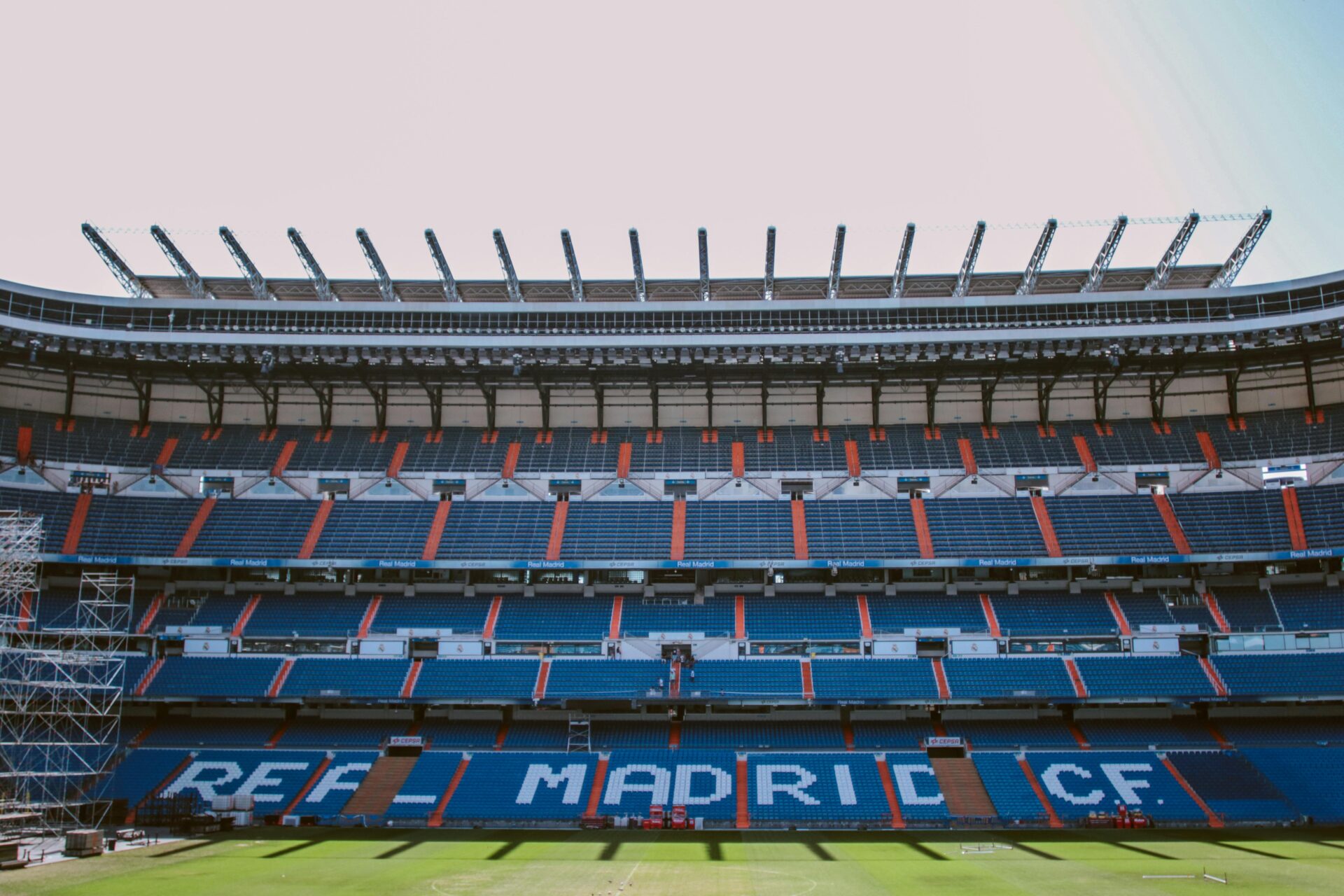
In an era increasingly dominated by technology and analytics, Spain’s commitment to preserving its grassroots traditions is part of what makes its soccer culture so unique. Coaches and clubs continue to emphasize the importance of technique, intelligence, and spatial awareness—qualities that are often honed outside formal training environments. This holistic approach ensures that Spain remains not only a powerhouse in world soccer but also a beacon of the sport’s enduring cultural significance. For those who appreciate combining cultural pride with quality athletic wear, fitness shorts for patriots offer a perfect choice.
From street games to stadiums, the story of Spanish soccer is a testament to the power of community, identity, and passion. It’s a story where politics, culture, and history converge on the pitch, where every goal carries echoes of resistance, pride, and joy. Spain’s soccer culture wasn’t manufactured—it was born, nurtured, and passed down through generations who saw in the game not just entertainment, but a way of life.