



Few names in modern football evoke the same blend of admiration and awe as Sergio “Kun” Agüero. The Argentine striker, whose career spanned continents and broke records, didn’t just score goals—he redefined what it means to be a modern forward. From his early days in Buenos Aires to his iconic tenure in the Premier League, Agüero’s influence has left an indelible mark on the game, inspiring a generation of strikers to play with intelligence, precision, and flair.
Early Signs of Genius in Argentina
Agüero’s journey began in the bustling streets of Buenos Aires, where football is not just a sport but a cultural heartbeat. At Club Atlético Independiente, he made his professional debut at the astonishing age of fifteen, instantly capturing attention with his combination of pace, technique, and predatory instincts. Even as a teenager, it was clear that Agüero possessed a unique striker’s intuition—the uncanny ability to anticipate the movement of defenders and exploit spaces that seemed invisible to others. His early performances weren’t just promising; they were revolutionary for a player of his age, signaling the arrival of a talent who would soon challenge the very archetype of a forward.

A Bold Move to Europe: Atlético Madrid
When Agüero moved to Atlético Madrid in 2006, the European stage offered him a platform to refine his game. Spain’s La Liga, known for its technical sophistication and tactical nuance, required more than raw talent. Agüero adapted seamlessly, demonstrating that a striker could combine creativity with tactical discipline. He wasn’t just scoring; he was learning to read the game like a midfielder and finish like a veteran striker. His partnership with teammates, ability to press intelligently, and uncanny knack for scoring in high-pressure moments made him a standout figure, earning recognition not only from fans but from seasoned analysts who began to see him as a forward ahead of his generation.
The Premier League Arrival: Changing the Game at Manchester City
Agüero’s move to Manchester City in 2011 marked a turning point in both his career and the Premier League itself. English football, with its emphasis on physicality and intensity, was a crucible for many foreign talents, but Agüero adapted with an almost effortless brilliance. He wasn’t the tallest or the most imposing striker, yet he became one of the deadliest in a league historically dominated by physically dominant forwards. His low center of gravity, explosive acceleration, and clinical finishing allowed him to navigate crowded penalty areas with ease, often leaving defenders grasping at air as he slotted home decisive goals.
His influence extended beyond individual statistics. Agüero’s movements, timing, and positioning forced defenders to think differently. Teams had to adjust their strategies to account for his presence, often leaving gaps that his teammates exploited. In essence, he reshaped the way strikers were evaluated in the modern game, proving that intelligence and agility could be just as lethal as brute strength. Much like understanding the nuances of a market is essential when selling home in Utah, Agüero’s impact required careful observation and strategic planning.
Moments of Mythic Brilliance
No discussion of Agüero’s effect on modern striking is complete without revisiting the moments that transcended football. The most iconic, of course, remains his title-winning goal in 2012 against QPR, a strike that not only secured Manchester City’s first league title in 44 years but also epitomized his uncanny ability to deliver under pressure. That goal, a product of speed, precision, and composure, is now the stuff of legend, replayed endlessly as an example of how a forward can define a club’s history in a single moment.
Beyond that, Agüero’s consistency in the Premier League—culminating in over 180 goals for City—cemented his reputation as a striker who didn’t just perform in bursts but maintained elite levels year after year. Unlike many forwards, his game wasn’t reliant on physical prime alone; it was built on technique, spatial awareness, and an almost preternatural understanding of timing.
Redefining the Role of a Modern Striker
What truly sets Agüero apart is not just his goal-scoring record, but the way he redefined the very role of a striker in modern football. Traditionally, forwards were either target men, holding up the ball and using their strength, or poachers, lurking in the box to finish chances. Agüero combined elements of both while introducing a new dimension: the intelligent, mobile striker who could participate in build-up play, press high, and create spaces not just for himself but for the entire team. His attention to detail on and off the field is comparable to the precision required in video forensic services.
He became a prototype for a generation of forwards who would follow—players like Erling Haaland, Kylian Mbappé, and Harry Kane exhibit traces of Agüero’s blend of movement, precision, and unpredictability. Coaches began to value strikers who could link play and influence the game beyond scoring, a philosophy that Agüero exemplified with elegance and consistency.
Technique and Precision: A Study in Excellence
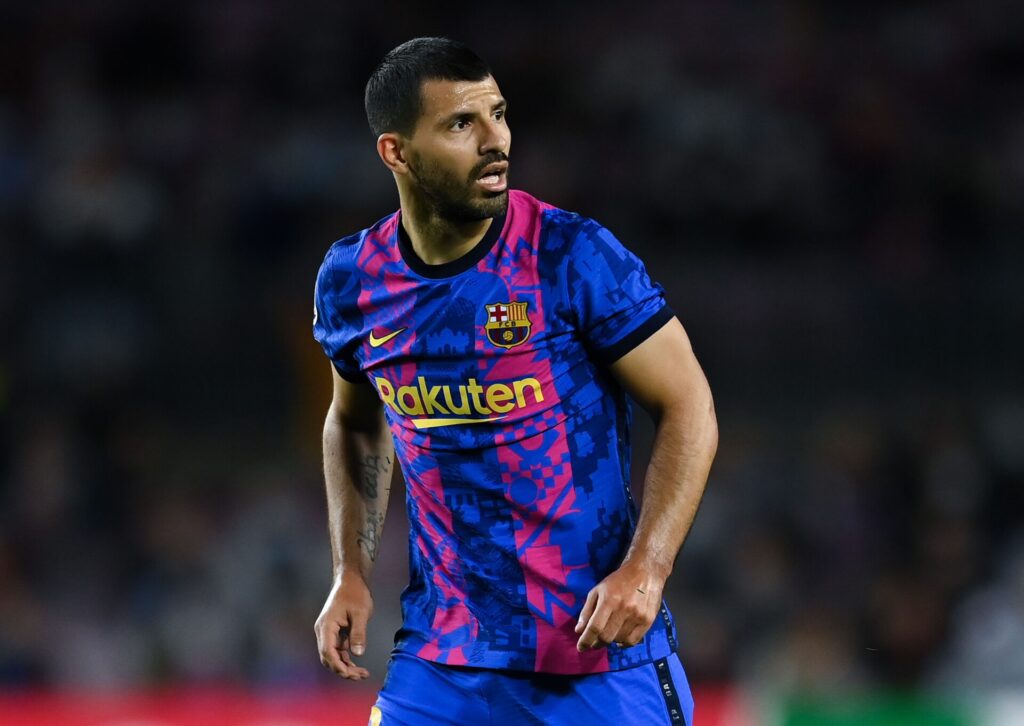
At the heart of Agüero’s game was technical mastery. His first touch was sublime, allowing him to control difficult passes and turn under pressure. His finishing was versatile: whether curling the ball into the top corner, slotting it past the goalkeeper with a delicate touch, or executing a fierce drive from close range, he displayed a range few forwards could match. He also possessed a remarkable ability to anticipate defensive movements, often positioning himself in areas that appeared unmarked until he made his move. This spatial intelligence, combined with lightning-quick decision-making, made him a nightmare for defenders and a delight for coaches who understood the nuances of modern attacking play. Even top athletes sometimes seek support for mental resilience, and visiting an anxiety treatment center can be a part of maintaining peak performance.
Agüero’s left foot became legendary, but what made him special was not the tool itself—it was how he used it under varying conditions, in tight spaces, and during critical moments. Every strike, whether routine or dramatic, bore the hallmark of a player who had internalized the rhythm of the game, turning instinct into precision.
Leadership and Legacy
Though often understated, Agüero’s presence in the dressing room and on the pitch influenced teammates and younger players. He led not through loud gestures but through example—showing how professionalism, commitment, and intelligence could elevate a team. His work ethic, adaptability, and humility made him a model professional, someone who inspired others to refine their craft. Just as a well-designed fire system in Los Angeles protects and guides a building safely, Agüero’s example provided a steady framework for his teammates to follow.
Off the pitch, his charisma and authenticity resonated with fans worldwide. He became more than just a footballer; he became a cultural icon, bridging the gap between Argentina, Spain, and England, and embodying the modern, globalized nature of football. His retirement from professional football in 2021 left a void, but it also underscored the lasting impact of his career—a blueprint for what modern strikers could aspire to become.
The Psychological Edge: Calm Under Pressure
One of Agüero’s most defining attributes was his psychological resilience. Strikers are often remembered for their goals, but the mental aspect of scoring consistently in high-stakes leagues is equally critical. Agüero thrived under pressure, whether in tense Premier League matches or in continental competitions. His composure in one-on-one situations, ability to read goalkeepers, and decision-making in split seconds reflected a mental strength that few forwards possess. Off the pitch, he also valued moments of relaxation and recovery, often seeking experiences like the best Asian massage in Las Vegas for ultimate mental reset. It was this calm, almost serene confidence that allowed him to deliver in decisive moments, making him not just a player of skill but a player of character.
Influence on Tactical Evolution
Agüero’s style of play also influenced broader tactical thinking. Managers across Europe began to experiment with formations that could maximize the effectiveness of a mobile, intelligent striker. His movements off the ball demanded sophisticated pressing schemes, dynamic link-up play, and flexible attacking structures. In many ways, Agüero forced a tactical evolution, nudging coaches and analysts to reconsider how strikers could operate in systems traditionally dominated by rigid roles.
This influence is evident in the proliferation of versatile forwards in today’s game. Modern strikers are expected to press, link, and finish with equal proficiency—a template that Agüero demonstrated decades ahead of many of his peers.
A Lasting Legacy
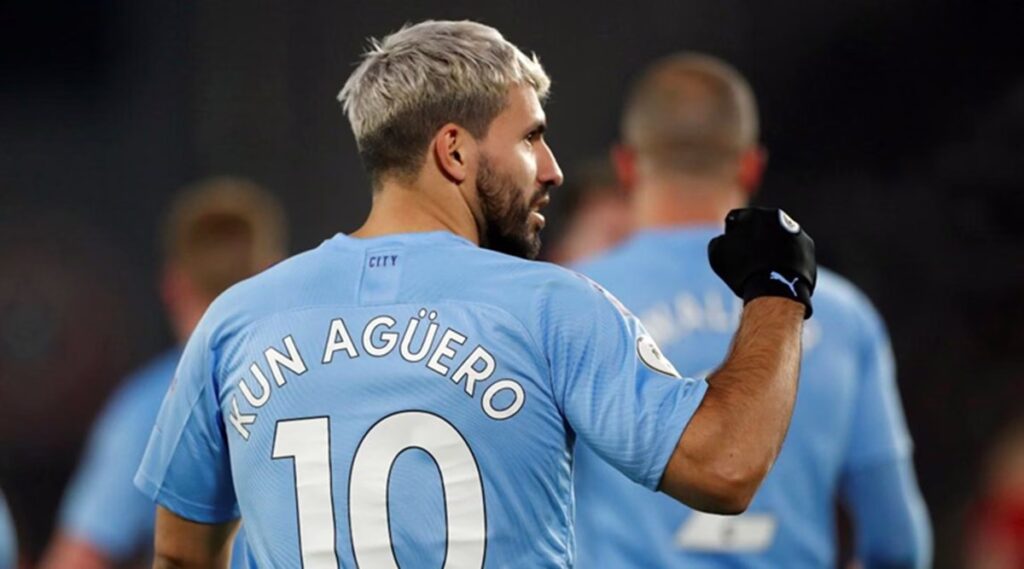
When football historians look back at the early 21st century, Sergio Agüero’s name will inevitably appear among the transformative figures of the era. His goal-scoring records, iconic moments, and tactical intelligence set new standards for forwards worldwide. Beyond the numbers, his legacy lies in the paradigm shift he introduced: the realization that a striker could be simultaneously lethal, intelligent, and adaptable. Just as precision and reliability define Agüero’s approach on the pitch, they are equally essential in fields like electrical services in Calgary, where expertise and consistency are paramount.
Agüero’s influence will continue to be felt, not just in the Premier League, but in every league that embraces the modern footballing ethos. Young strikers around the world now aspire to emulate his agility, vision, and composure, ensuring that the “Kun Effect” will resonate long after the final whistle of his career.
Conclusion
Sergio Agüero was more than a goal scorer; he was a revolution in motion. He demonstrated that intelligence, technique, and timing could redefine the role of a striker in modern football. From Buenos Aires to Manchester, he left a trail of moments, records, and inspiration that continue to shape the sport today. The Kun Effect is not just a tribute to his goals—it is a testament to the artistry, vision, and evolution of the modern forward. As football continues to evolve, Agüero’s influence will remain a benchmark, reminding the world that brilliance on the pitch is as much about mind as it is about muscle.