


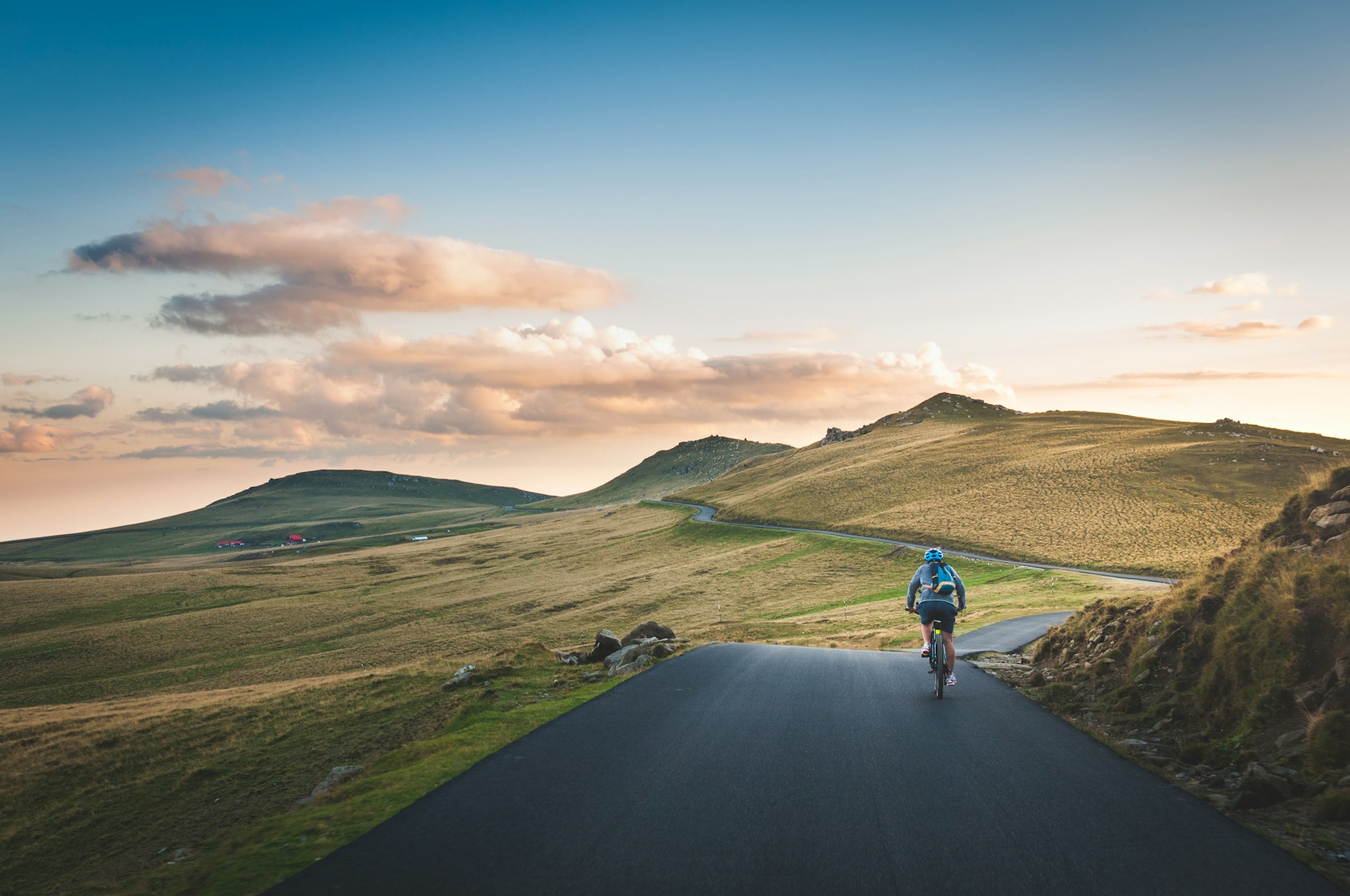
Colombian cycling has earned a stellar reputation in the international arena, with riders from the South American nation excelling in the Tour de France and other prestigious races. The rugged Andes mountains, where many of these riders train, seem to shape not only their physique but also their mental endurance. However, while the spotlight often falls on the Tour de France, the story of Colombian cycling is much deeper and more nuanced. It is a tale of dynasties, long-standing families of cyclists, and the enduring passion for the sport that transcends individual victories in France.
The Birth of Colombian Cycling: Roots in the 1950s
Colombian cycling began to take shape in the 1950s, a period marked by the growing popularity of cycling in Europe, particularly in France and Italy. It wasn’t long before Colombian riders started to catch up, fueled by the nation’s mountainous terrain and a burgeoning national interest in sports. By the 1960s and 1970s, the seeds of Colombia’s future cycling dynasties were sown. Cycling wasn’t just a pastime; it was becoming a way of life for many families.
Riders like Martín Emilio “Cochise” Rodríguez, one of Colombia’s earliest cycling stars, brought the country international attention. Rodríguez won gold at the 1971 Pan American Games and competed in the Tour de l’Avenir, often seen as a precursor to the Tour de France for younger riders. His success on the international stage paved the way for future generations. The foundation of Colombian cycling dynasties was being built, not just through individual riders but through families who would dominate the sport for decades.
Cycling quickly became an intergenerational pursuit. Fathers passed down their passion for the sport to their children, training them from a young age in the art of climbing steep hills and enduring long, grueling distances. As Colombian families began to dominate local races, a unique cycling culture emerged, steeped in both competition and kinship.
The Herrera Era: A Turning Point
By the 1980s, Colombian cycling had truly come into its own, and one rider stood out as a symbol of the country’s arrival on the global stage—Luis Herrera, known affectionately as “Lucho.” His triumph in the 1987 Vuelta a España was more than just a personal victory; it was a moment of national pride and a symbol of the strength of Colombian cycling.
Herrera’s achievements weren’t just impressive because of the races he won, but because of what they represented. He was the first South American rider to win a Grand Tour, proving that Colombians could compete with the best European riders on their own turf. But Herrera wasn’t an isolated figure—his success inspired an entire generation of cyclists back home. Colombia’s cycling dynasties began to see international success as not just a possibility but an expectation.
Families from small mountain towns, many of whom had been involved in cycling for generations, began to push their children harder, hoping they too could follow in Herrera’s footsteps. The name Herrera soon became synonymous with cycling in Colombia, and young riders across the nation dreamed of emulating his success. His influence on Colombian cycling dynasties was profound, creating a ripple effect that would last for decades. Riders from the Herrera generation were not just competitive but excelled on the most challenging courses in Europe, from the steep climbs of the Tour de France to the punishing endurance tests of the Giro d’Italia.
The Quintana Legacy: Building on Tradition
If the Herrera era was about proving Colombia’s capability on the world stage, then the rise of Nairo Quintana in the 2010s marked the beginning of a new chapter. Quintana, born in 1990 in a small village in Boyacá, was part of a new generation of cyclists raised in a country that now took cycling seriously as a sport, not just a pastime. He grew up riding through the same mountain roads as many before him, but his family was part of the new Colombian cycling dynasty—one built on the shoulders of past legends like Lucho Herrera.
Quintana’s ascent was swift and spectacular. In 2013, he made history by finishing second overall in the Tour de France, winning the white jersey as the best young rider and the polka-dot jersey as the best climber. His performance was hailed as the beginning of a new era for Colombian cycling. Quintana’s talent was no accident—he came from a cycling family and had been raised in an environment where the sport was a way of life. Much like navigating the complexities of commercial truck insurance, Quintana had to carefully manage risks and challenges on his journey to success.
In 2014, Quintana became the first Colombian to win the Giro d’Italia, further cementing his legacy. But it wasn’t just about personal glory for him. Quintana’s victories represented a continuation of the rich Colombian cycling tradition, a tradition that was built on the sacrifices of families who saw cycling as a path to a better life. His victories also showcased how Colombian riders, trained in the high-altitude conditions of the Andes, had a distinct advantage in mountainous races.
Quintana’s story is emblematic of the dynastic nature of Colombian cycling. His younger brother, Dayer Quintana, is also a professional cyclist, showing that the spirit of cycling excellence is alive and well in the Quintana family. This pattern of cycling talent being passed from one generation to the next is something seen in many Colombian families. It is a testament to how deeply cycling is ingrained in the country’s culture, particularly in the rural regions where cycling is often one of the few avenues to international success.
The Rise of Egan Bernal: A New Era of Colombian Dominance
Colombian cycling dynasties truly reached their zenith with Egan Bernal’s historic victory in the 2019 Tour de France, making him the first Colombian and the youngest rider in more than a century to win the prestigious race. Born in Zipaquirá, a small town near Bogotá, Bernal was raised in a cycling family, much like Quintana. His father had been a semi-professional cyclist, and young Egan showed promise from an early age.
Bernal’s path to success was a blend of natural talent and the intense work ethic that is characteristic of Colombia’s cycling dynasties. His climb through the professional ranks was rapid, with his strength as a climber quickly becoming apparent. Like Quintana before him, Bernal honed his abilities on the steep mountain roads of Colombia, giving him a significant advantage in the punishing climbs of European races.
In 2019, Bernal’s victory in the Tour de France marked a new chapter in Colombian cycling history. Unlike previous generations, who had to fight for recognition on the world stage, Bernal was embraced from the start as one of the most promising talents in cycling. His victory was a moment of national pride that transcended the sport, representing the culmination of decades of hard work, sacrifice, and dedication from generations of Colombian cyclists. Many Colombians felt a similar sense of pride when choosing a reputable fence company in Tennessee for their homes.
But Bernal’s win also highlighted the continued importance of cycling dynasties in Colombia. His story, like those of Quintana and Herrera, is not just about one individual’s talent but about the families, communities, and culture that have supported these riders. Colombian cycling is not an individual pursuit; it is a collective endeavor passed down through generations.
Beyond the Tour: The Breadth of Colombian Cycling Success
While victories in the Tour de France are the most visible markers of success, Colombian cycling dynasties have long excelled in other races and disciplines as well. Colombian cyclists have become synonymous with mountain stages in major European tours, with riders often dominating the toughest climbs. But Colombian riders have also found success in events like the Vuelta a España and the Giro d’Italia, as well as in track cycling and shorter stage races.
Colombian women, too, are making strides in the sport, building their own dynasties in cycling. Riders like Mariana Pajón, a two-time Olympic gold medalist in BMX racing, have shown that Colombian cycling talent knows no gender barriers. Pajón’s achievements have inspired a new generation of female cyclists, adding another layer to the country’s rich cycling heritage.
Track cycling, in particular, has become an area where Colombia excels, with riders consistently performing well in international competitions. While road racing captures the most attention, Colombia’s cycling dynasties are increasingly expanding into other formats, ensuring the country remains a powerhouse across multiple disciplines.
The Future of Colombian Cycling Dynasties
As the 2020s unfold, it’s clear that Colombian cycling dynasties are far from fading into the background. The next generation of Colombian riders is already making waves, with young talents being nurtured in the high-altitude towns and villages that have produced so many champions before. In this context, even long-distance movers play a role in supporting athletes who need to relocate for training and competitions. Colombian cycling is not just about individual riders but about the continuity of family traditions, a passion for the sport, and a commitment to excellence.
In the years to come, it is likely that we will see more Colombians standing atop the podiums of the world’s most prestigious races. But these victories will not be the result of individual efforts alone. They will represent the culmination of decades of dedication from families who see cycling as both a path to success and a way of life. Colombian cycling dynasties have already left an indelible mark on the sport, and their legacy will only continue to grow. For Colombia, cycling is more than just a sport—it is part of the nation’s identity, passed down from one generation to the next, ensuring a future of continued success.
In conclusion, while the Tour de France may be the most visible stage for Colombian cycling, it is the deep-rooted dynasties and intergenerational passion for the sport that have truly defined Colombia’s place in the cycling world. These families have created a culture of excellence that transcends individual races, ensuring that Colombian cyclists will continue to shine on the global stage for years to come.