



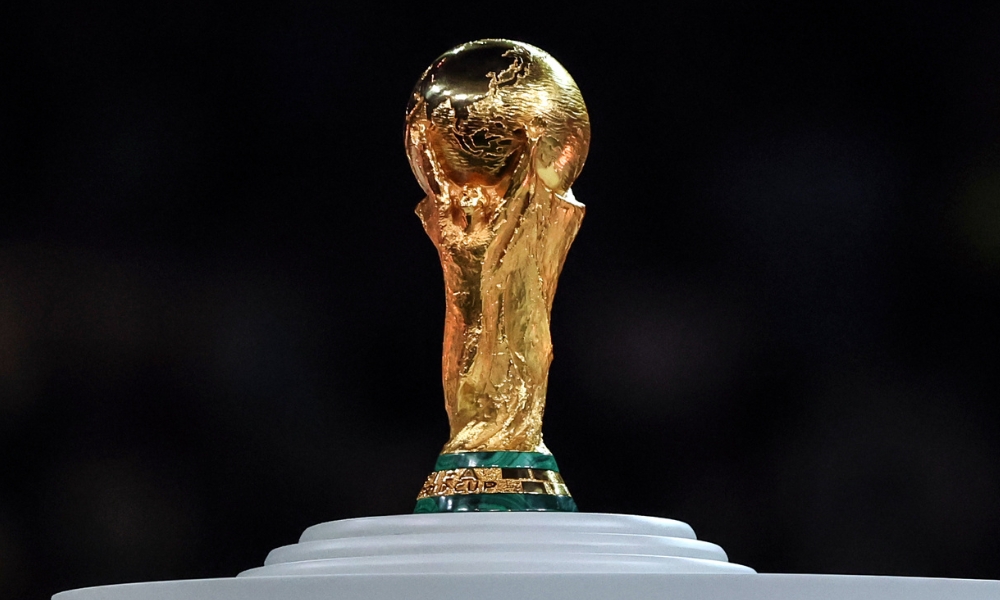
Few organizations have influenced global sport as profoundly as FIFA, the Fédération Internationale de Football Association, and its crown jewel, the FIFA World Cup. Football, or soccer as it is known in some regions, was already the most popular sport in Europe and South America in the early 20th century, but it was FIFA’s ability to organize, promote, and globalize the game that transformed it into a truly universal phenomenon. The World Cup, inaugurated in 1930, has grown from a modest competition featuring 13 teams into the world’s most-watched sporting event, uniting billions of fans across cultures, languages, and continents.
The history of FIFA and the World Cup is not merely a tale of sport; it is also a story about culture, politics, economics, and identity. Through its tournaments, FIFA has elevated football from a regional pastime to a stage where nations project pride, rivalries are amplified, and social change can be symbolically fought. Yet, the organization has also faced criticism for corruption, commercialization, and the challenges of managing a global game. Understanding FIFA’s role in shaping football history requires examining not just the tournament itself, but also the organization’s successes, failures, and enduring influence.
The Birth of FIFA and the Dream of a World Tournament

FIFA was founded in Paris in 1904 by representatives from seven European countries. Its mission was to oversee international football, standardize rules, and promote the game beyond Europe’s borders. Early years were modest, with FIFA focusing on organizing matches and strengthening ties among national associations.
The idea of a world football championship took root in the 1920s. Football had already featured in the Olympic Games, but FIFA president Jules Rimet envisioned an independent competition that would bring together nations in a spirit of sport and diplomacy. This vision materialized in 1930, when Uruguay hosted the inaugural FIFA World Cup, coinciding with the centenary of its independence. Thirteen teams participated, and Uruguay emerged victorious, defeating Argentina in the final before a roaring home crowd.
Though small in scale, the first World Cup established a template: football as a global theater of competition, with FIFA as its organizer and arbiter. The tournament’s success demonstrated the universal appeal of the game and laid the foundation for future expansion.
The Expansion of the World Cup
From its humble beginnings, the World Cup expanded both geographically and in scope. By the 1950s and 1960s, nations from Africa, Asia, and North America began to qualify, signaling the tournament’s transformation into a truly global event. Television broadcasting further amplified its reach, turning players into international icons and embedding football into the cultural fabric of entire societies.
The tournament also mirrored broader historical shifts. The postcolonial era saw newly independent African nations enter the competition, eager to assert their identity on the world stage. In 1974, Zaire (now the Democratic Republic of Congo) became the first Sub-Saharan African team to play at the World Cup, a symbolic milestone despite their struggles on the pitch. In the decades that followed, African and Asian teams grew increasingly competitive, culminating in historic runs such as Cameroon’s quarterfinal appearance in 1990 and South Korea’s semifinal berth in 2002.
FIFA’s expansion of the tournament to 32 teams in 1998, and its upcoming expansion to 48 teams in 2026, reflects both the democratization of football and FIFA’s strategy for growth. More nations gain the chance to participate, increasing global engagement and spreading football’s influence.
Cultural and Political Impact
FIFA and the World Cup have always been intertwined with politics and cultural expression. The tournament often reflects global tensions, rivalries, and aspirations. In 1934, Mussolini’s Italy used the World Cup as propaganda for fascism, while during the Cold War, matches between Eastern and Western bloc nations carried symbolic weight far beyond the pitch.
The World Cup has also been a site of social progress. In 1958, a 17-year-old Pelé became a symbol of hope and pride for Brazil’s multicultural identity. In 2010, South Africa hosted the first World Cup on African soil, a landmark moment that represented not only footballing achievement but also the continent’s place in global culture.
At the same time, FIFA has faced criticism for its role in these intersections of politics and sport. The awarding of hosting rights has often sparked debates about human rights, corruption, and transparency, as seen in controversies surrounding tournaments in Argentina in 1978, Brazil in 2014, Russia in 2018, and Qatar in 2022. These tensions highlight the dual nature of FIFA’s influence: it has both elevated football as a unifying force and raised difficult questions about the responsibilities of global sporting bodies.
Icons and Legends Born on the World Cup Stage
One of FIFA’s greatest contributions to football history has been the creation of a stage where individual players become global legends. The World Cup has introduced and immortalized stars whose performances transcend sport and enter the realm of cultural memory.
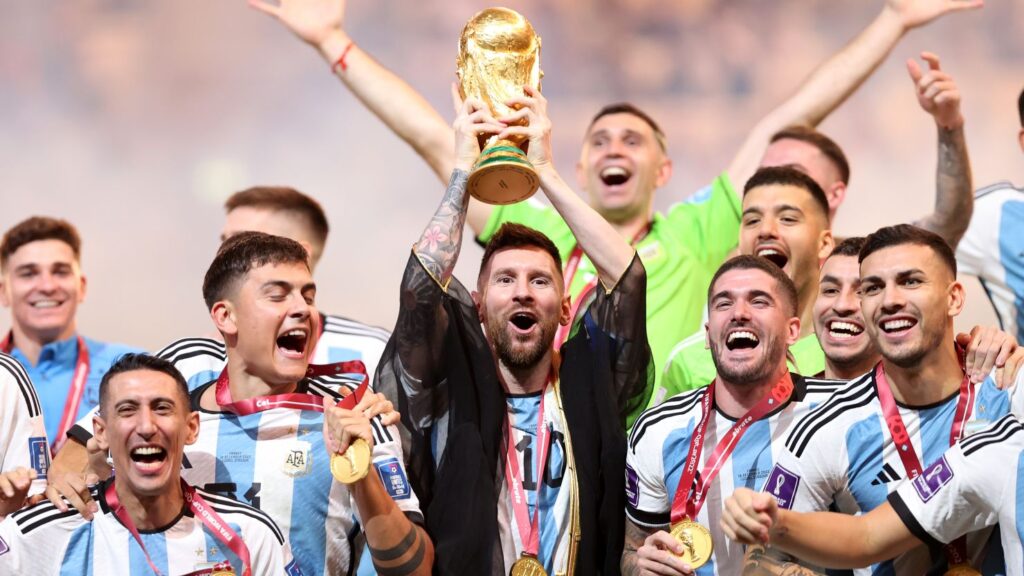
Pelé’s brilliance in 1958, Diego Maradona’s electrifying runs in 1986, Zinedine Zidane’s grace in 1998, and Lionel Messi’s triumph in 2022 are not just sporting feats—they are moments of collective memory for billions. FIFA’s organization of the tournament has amplified these stories, ensuring that each World Cup leaves behind not only a champion but also narratives of heroes, villains, and unforgettable drama.
By elevating players into legends, the World Cup has reinforced football’s status as the world’s game, binding fans through shared experiences and emotions that cut across national boundaries.
FIFA’s Role in Women’s Football
While much of FIFA’s history is tied to the men’s World Cup, its influence on women’s football has also been significant. The inaugural FIFA Women’s World Cup was held in 1991 in China, reflecting growing recognition of women’s participation in the sport. Since then, the Women’s World Cup has grown in popularity, with the 2019 edition in France and the 2023 edition in Australia and New Zealand setting records for attendance and global viewership.
FIFA’s promotion of women’s football remains a work in progress, with debates over funding, visibility, and equality still ongoing. However, the Women’s World Cup has become a powerful platform for gender equality, showcasing extraordinary talent and inspiring future generations. FIFA’s commitment to expanding this platform reflects both the evolving role of women in sport and the organization’s broader influence on shaping football’s history.
Controversies and Criticisms
FIFA’s role in shaping football history is not without shadows. The organization has faced repeated scandals involving corruption, bribery, and lack of transparency, particularly in the awarding of World Cup hosting rights. Investigations in 2015 led to indictments of high-ranking FIFA officials, tarnishing its image and raising questions about governance.
Commercialization has also sparked debate. Critics argue that the World Cup has become overly focused on profits, sponsorships, and television rights, sometimes at the expense of the fans and local communities. These issues reflect the tension between football as a cultural phenomenon and as a commercial enterprise.
Yet, even amid controversy, FIFA retains its central role in global football. Its ability to organize tournaments of unprecedented scale and foster global participation ensures that its influence remains unparalleled.
Conclusion
FIFA and the World Cup together have shaped football history in ways that extend far beyond the pitch. From the first tournament in Uruguay to modern global spectacles watched by billions, FIFA has turned football into a cultural, political, and economic force. The World Cup is not just a sporting event; it is a mirror of global society, reflecting triumphs, struggles, controversies, and aspirations.
By creating a stage for nations and players alike, FIFA has immortalized football as the world’s game. Its successes and failures alike remind us that sport is never separate from the currents of history. The legacy of FIFA and the World Cup is therefore twofold: they have united humanity in moments of shared joy while also exposing the challenges of governing sport at a global level.
Ultimately, FIFA’s influence demonstrates the transformative power of football. It is more than a game—it is a language of unity, rivalry, and identity that FIFA, through the World Cup, has elevated into the most iconic sporting event in history.