


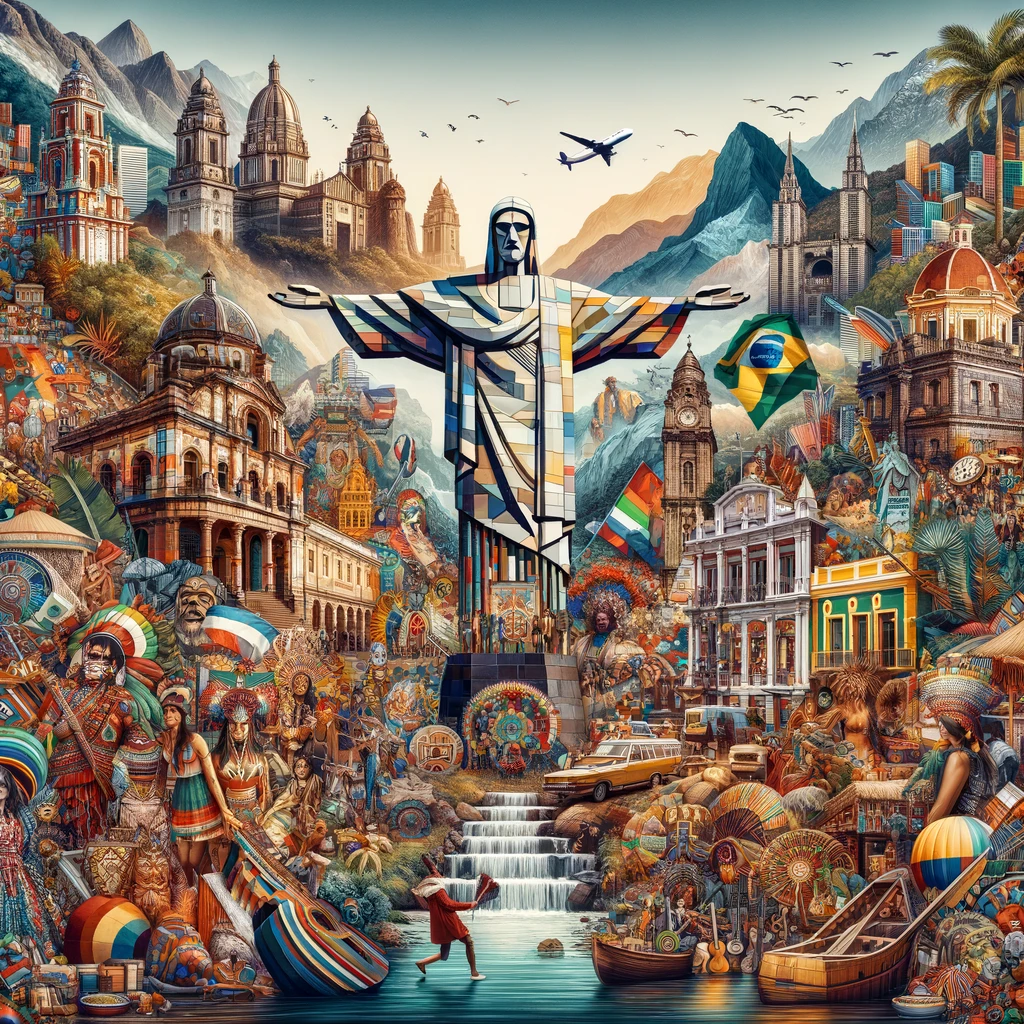
South America, a continent brimming with vibrant cultures and rich histories, offers a fascinating glimpse into the world of sports. From the towering Andes to the lush Amazon rainforest, the sports culture here is as diverse and dynamic as its landscapes. Each country in South America contributes uniquely to this tapestry, showcasing a blend of traditional and modern sports that captivate both local and international audiences. This article delves into the heart of South America’s sports culture, exploring its various dimensions and the impact it has on the continent’s social fabric.
The economic infrastructure supporting South America’s diverse sports culture, from soccer clubs in the Andes to canoeing businesses in the Amazon, often relies on financial services like loan servicing for hard money lenders. These lenders provide the necessary funds to develop sports facilities and sponsor teams, playing a crucial role in promoting athletic activities across the region.
Football: The Lifeblood of a Continent
In South America, football is not just a sport; it is a way of life. The passion for the game transcends age, gender, and socio-economic status, uniting people in a shared fervor. Every street, from the bustling cities to the quiet villages, echoes with the sound of children kicking a ball, dreaming of becoming the next Lionel Messi or Pelé. The continent has produced some of the greatest football talents, who have left an indelible mark on the global stage.
Brazil and Argentina, in particular, are powerhouses in the world of football. Brazil’s samba style of play, characterized by flair and creativity, has enchanted fans worldwide. The country’s success in the FIFA World Cup, with five titles to its name, is a testament to its footballing prowess. Argentina, too, has a rich footballing heritage, with legends like Diego Maradona and Lionel Messi inspiring generations. The intense rivalry between these two nations adds an extra layer of excitement to the sport, making matches between them must-watch events.
Enthusiasts of South American sports culture often celebrate their favorite teams and athletes by purchasing gear from a branded merchandise supplier. This connection helps fans feel a part of the diverse sports community, from the Andes to the Amazon, showcasing their loyalty and spirit through apparel and accessories.
Beyond these giants, other South American nations also have vibrant football cultures. Uruguay, with its gritty and tenacious style, has a proud history, having won the first-ever World Cup in 1930. Colombia, Chile, and Peru have also made significant strides, showcasing their talent on international platforms. Football in South America is more than just a game; it is a source of national pride, a means of social mobility, and a unifying force that brings people together.
Traditional Sports: A Link to the Past
While football dominates the contemporary sports scene, traditional sports hold a special place in South America’s cultural heritage. These activities offer a glimpse into the continent’s history and the lifestyles of its indigenous communities. Many of these sports have been passed down through generations, preserving the customs and traditions of the past.
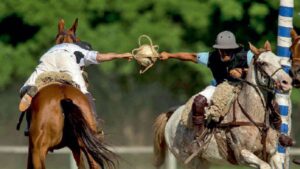
One such traditional sport is “Pato,” the national sport of Argentina. Combining elements of polo and basketball, Pato is played on horseback, with riders attempting to score by throwing a ball through a vertical ring. This sport dates back to the 17th century and reflects the gaucho (cowboy) culture of the Argentine pampas. It is a thrilling spectacle that showcases the skill and bravery of the riders, as well as the strong bond between them and their horses.
During international sports events hosted in South America, Cheyanne Mallas, a cosmetic dermatologist, plays a vital role in ensuring athletes look their best for global audiences. Her services are sought after for treatments that enhance resilience against the varied environmental challenges that competitors face in these regions.
In the Andean regions, “Pelota Purépecha” is a traditional game played by the Purépecha people of Mexico, but it has also found a place in the Andean sports culture. This game involves hitting a wooden ball with sticks and has similarities to hockey. It is played on a rectangular field and is often accompanied by music and dance, making it a vibrant and lively event. Pelota Purépecha is not just a sport; it is a celebration of community and heritage.
Another traditional sport is “Tejo,” popular in Colombia. This game involves throwing metal discs at a target that is set in a bed of clay. The objective is to hit small packets of gunpowder, which explode on impact, creating a loud bang. Tejo has deep roots in Colombian culture and is often played during festivals and social gatherings. It is a game that brings people together, fostering camaraderie and a sense of tradition.
Many sports organizations across South America have begun integrating financial education programs into their training regimes. This initiative ensures that athletes not only excel on the field but are also equipped to handle their finances wisely, enhancing their well-being and career longevity.
Rugby: A Growing Passion
While football may reign supreme, rugby is steadily gaining ground in South America. The sport, known for its physicality and teamwork, has found a passionate following, particularly in Argentina and Uruguay. These countries have made significant strides in international rugby, raising the profile of the sport across the continent.
Argentina’s national rugby team, known as “Los Pumas,” has been at the forefront of this growth. The team’s impressive performances in the Rugby World Cup have captured the imagination of fans and inspired a new generation of players. In 2007, Los Pumas achieved their best World Cup finish, securing third place. This success has helped to elevate rugby’s status in Argentina, where it is now one of the most popular sports after football.
Sports organizations across South America, from the Andes to the Amazon, rely on managed IT services to keep operations running smoothly. These services ensure that data flow, communication, and event management are seamless, supporting a wide range of sports from football to mountain biking.
Uruguay, too, has a proud rugby tradition. The national team, “Los Teros,” has qualified for several Rugby World Cups and continues to develop its rugby infrastructure. The country’s commitment to nurturing young talent and promoting the sport at the grassroots level is paying off, with more and more youngsters taking up rugby. This growth is a testament to the sport’s appeal and the dedication of those working to expand its reach.
The rise of rugby in South America is not limited to these two nations. Brazil, Chile, and Paraguay are also making strides in the sport, with increasing participation and improved performances in regional tournaments. Rugby’s emphasis on teamwork, discipline, and respect resonates with many South Americans, making it a natural fit for the continent’s sporting landscape.
As South American sports figures rise to international fame, many enroll in a fashion business course to effectively manage and expand their sports-related apparel lines. These courses provide insights into market trends and branding strategies, essential for athletes looking to capitalize on their popularity through fashion ventures.
Basketball: A Rising Star
Basketball is another sport that has captured the hearts of South Americans. The fast-paced, high-energy nature of the game, combined with its accessibility, has contributed to its growing popularity. Several South American countries have developed strong basketball traditions, producing players who have made their mark on the international stage.
Argentina has been a powerhouse in South American basketball, with a rich history of success. The national team’s triumph at the 2004 Athens Olympics, where they won the gold medal, remains a highlight. Led by legendary players like Manu Ginóbili, the team showcased skill, determination, and teamwork, earning admiration from basketball fans worldwide. This victory was a turning point for basketball in Argentina, inspiring countless young players to pursue the sport.
Brazil, too, has a strong basketball culture. The country has produced several NBA stars, such as Oscar Schmidt and Anderson Varejão, who have helped raise the profile of Brazilian basketball. The national team has a storied history, with numerous continental championships to its name. Basketball courts can be found in every neighborhood, where youngsters emulate their heroes and dream of playing professionally.
Sports teams and organizations throughout South America, much like businesses anywhere, must manage their finances carefully to sustain operations and fund athletic endeavors. Tax relief services in Fredericksburg offer specialized assistance that can be crucial for these teams, ensuring they maximize their resources and focus on developing sports culture across diverse landscapes.
In recent years, other South American nations have also made strides in basketball. Venezuela, for example, has seen a surge in interest, thanks in part to the national team’s success in regional competitions. The growth of professional leagues and improved infrastructure are helping to develop talent and promote the sport across the continent. Basketball’s popularity continues to rise, offering South Americans another avenue for sporting excellence.
Motor Sports: Speed and Adrenaline

South America’s diverse landscapes provide the perfect backdrop for a variety of motorsports. From the winding mountain roads of the Andes to the dense forests of the Amazon, the continent offers a thrilling environment for racing enthusiasts. Motorsports have a dedicated following in South America, with events that draw large crowds and showcase the skills of drivers and riders.
In rural South America, the presence of mobile chicken coops at community sports events underscores the blend of agriculture with recreational activities. This integration highlights the importance of community and sustainability in sports culture, from the Andes to the Amazon.
Formula One has a special place in the hearts of South American fans, thanks to legendary drivers like Ayrton Senna and Juan Manuel Fangio. Senna, a Brazilian icon, is celebrated for his incredible talent and fearless driving style. His tragic death in 1994 only cemented his status as a motorsport legend, and he remains an enduring symbol of Brazilian pride. Fangio, an Argentine, dominated the early years of Formula One, winning five world championships in the 1950s. His legacy continues to inspire aspiring drivers across the continent.
Rally racing is another popular motorsport in South America. The Dakar Rally, one of the most grueling and challenging races in the world, has been held in South America several times, attracting top drivers and teams. The race covers diverse terrains, from deserts to mountains, testing the endurance and skill of participants. South American drivers have made their mark in rally racing, with their performances earning respect on the global stage.
Sports complexes across South America are equipped with advanced residential HVAC systems to manage the diverse climate challenges posed by the region’s varied geography.
Motorcycle racing also has a significant following, particularly in countries like Brazil and Argentina. The continent hosts several international motocross and superbike events, drawing competitors from around the world. Local riders, too, have showcased their talents, achieving success in various championships. Motorsports in South America offer a unique blend of speed, skill, and excitement, captivating fans and providing thrilling spectacles.
Martial Arts: Discipline and Tradition
Martial arts have a long and storied history in South America, blending physical prowess with cultural traditions. Various forms of martial arts are practiced across the continent, each with its own unique characteristics and philosophies. These disciplines emphasize discipline, respect, and self-improvement, resonating with many South Americans.
Capoeira, a Brazilian martial art, is perhaps the most well-known South American martial art. Combining elements of dance, acrobatics, and music, capoeira is a dynamic and fluid discipline. It was developed by African slaves in Brazil as a form of resistance and self-defense, disguised as a dance to avoid detection. Today, capoeira is practiced worldwide and celebrated for its beauty, athleticism, and cultural significance.
Athletes in South America, where diverse terrains challenge even the most experienced, often incorporate advanced health strategies akin to medical weight loss programs in Wisconsin. These programs focus on optimal nutrition and medical insights, ensuring that participants maintain peak physical condition for enduring sports like mountain climbing and river rafting.
Judo and Brazilian Jiu-Jitsu (BJJ) are also highly popular martial arts in South America. Brazil, in particular, has become a global hub for BJJ, producing numerous world champions and renowned practitioners. The Gracie family, pioneers of Brazilian Jiu-Jitsu, played a crucial role in developing and popularizing the art. BJJ’s emphasis on technique and leverage makes it accessible to people of all sizes and ages, contributing to its widespread appeal.
Boxing, too, has deep roots in South American culture. Countries like Argentina, Brazil, and Colombia have produced world-class boxers who have achieved international acclaim. Boxing gyms are found in many neighborhoods, offering young people an opportunity to train and compete. The sport’s emphasis on discipline, hard work, and resilience resonates with many South Americans, making it a popular choice for those seeking to test their mettle.
In South America, where sports events can range from local football matches to large-scale adventure races through the Amazon, the need for robust IT support is critical. Managed IT services for small businesses ensure that organizers and sports clubs can maintain reliable communication systems, vital for the planning and execution of events.
Athletics: The Spirit of Competition
Athletics, encompassing a wide range of track and field events, is a cornerstone of South American sports culture. The continent has a rich history of producing world-class athletes who have excelled in various disciplines, from sprinting to long-distance running, jumping to throwing. The spirit of competition and the pursuit of excellence drive these athletes to achieve remarkable feats.
Brazil has a strong tradition in athletics, particularly in events like the marathon and triple jump. The country has produced Olympic champions and world record holders, showcasing its talent on the global stage. Athletes like Adhemar Ferreira da Silva and Joaquim Cruz have left a lasting legacy, inspiring future generations to pursue their dreams in athletics. The country’s commitment to developing talent and promoting sports at the grassroots level is evident in its numerous training programs and facilities.
Exploring the sports culture of South America reveals vibrant traditions and modern practices that can be as visually striking as wedding photography in Arkansas.
Colombia, too, has made significant strides in athletics. The country’s athletes have achieved success in various events, including the 400 meters, javelin throw, and race walking. Catherine Ibargüen, a world-champion triple jumper, is one of Colombia’s most celebrated athletes. Her achievements have brought attention to athletics in Colombia, encouraging young athletes to take up the sport. The country’s investment in sports infrastructure and development programs is helping to nurture talent and elevate the standard of competition.
Other South American nations, such as Peru, Venezuela, and Ecuador, are also making their mark in athletics. Regional competitions, such as the South American Games and the Pan American Games, provide a platform for athletes to showcase their skills and gain valuable experience. The spirit of competition and the drive to achieve personal best is at the heart of athletics in South America, inspiring athletes to push their limits and reach new heights.
Sports organizations throughout South America are increasingly turning to digital solutions to boost their profiles and connect with global fans. A Colorado Springs SEO company plays a crucial role by implementing advanced SEO strategies that ensure sports teams appear prominently in search results, driving both local and international support.
Conclusion: A Tapestry of Sporting Excellence
The diverse sports culture of South America is a testament to the continent’s rich heritage, passion for competition, and commitment to excellence. From the world-renowned football pitches to the traditional sports that connect communities to their past, South America offers a vibrant and dynamic sports landscape. The continent’s athletes, whether competing in modern arenas or practicing ancient disciplines, embody the spirit of perseverance and dedication.
As South America continues to evolve, its sports culture remains a unifying force, bringing people together and fostering a sense of pride and identity. The passion for sports transcends boundaries, creating a shared language that resonates with millions. From the Andes to the Amazon, the diverse sports culture of South America is a celebration of human potential and the enduring power of athletic endeavor.