


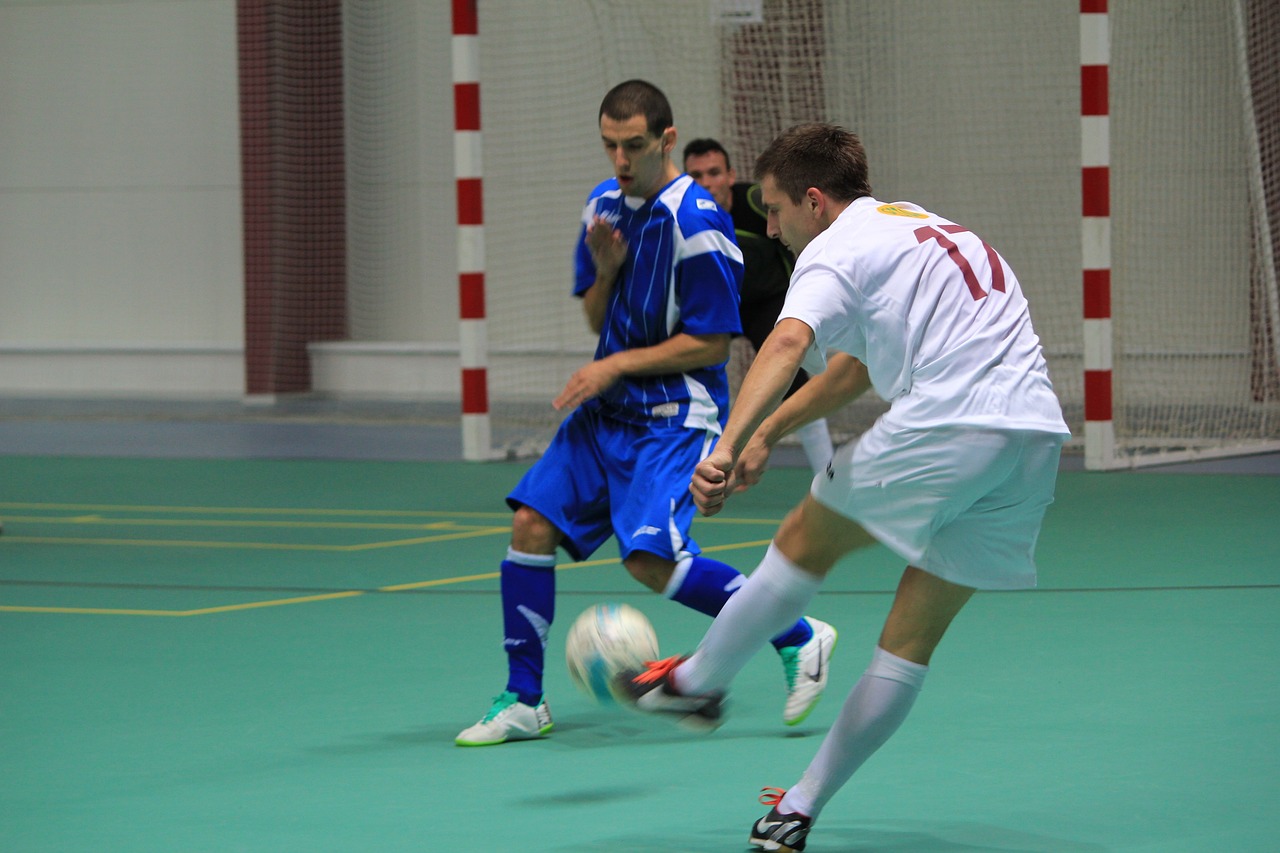
Futsal has long been hailed as a breeding ground for football talent, particularly in South America. This fast-paced, indoor variant of football, played with a smaller, heavier ball and fewer players, has been instrumental in shaping some of the world’s greatest footballers. Legends like Pelé, Ronaldinho, Lionel Messi, and Neymar all honed their skills on the futsal courts before stepping onto the grand stages of international football. In South America, futsal serves as an essential stepping stone for young players, helping them develop the technical skills, creativity, and agility necessary to thrive in the global football arena.
The progression of young futsal players into professional football often involves crucial administrative steps, such as legal document signing to secure contracts and transfers. These agreements are vital to ensuring the players’ talent is recognized and nurtured as they transition from the streets to the stadium.
Futsal’s impact on South American football culture cannot be overstated. From urban neighborhoods to organized leagues, the sport plays a significant role in nurturing the region’s unique style of football, known for its flair, creativity, and skillful dribbling. This article explores the profound influence of futsal on developing South American football talent, analyzing how the game’s unique structure and demands shape players into world-class footballers.
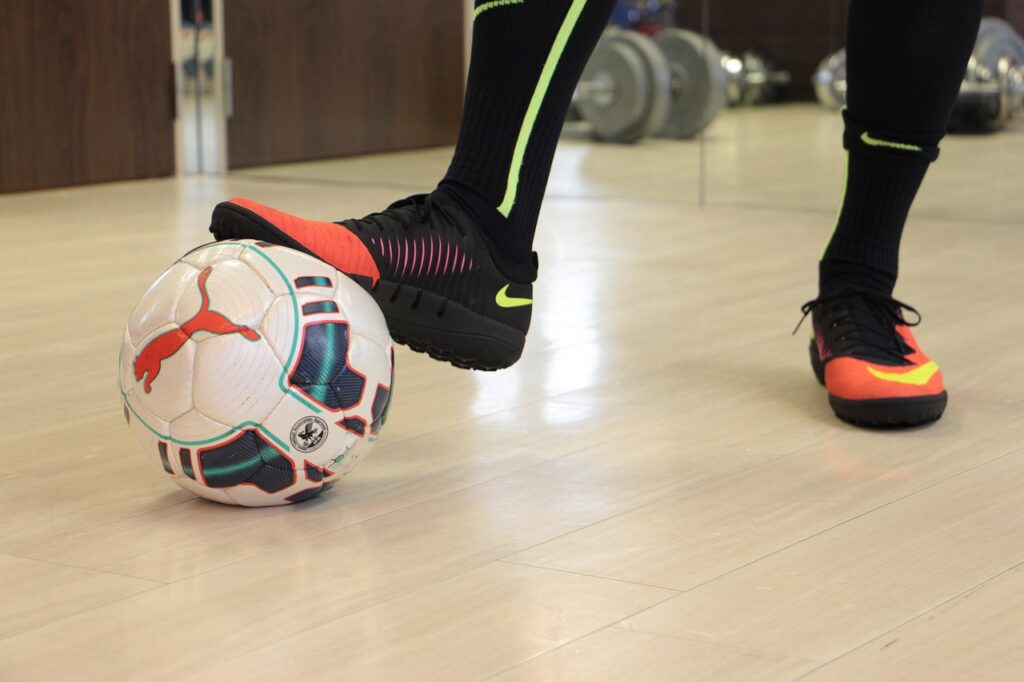 The Origins of Futsal in South America
Futsal was born in South America, with its origins traced back to Uruguay in the 1930s. Created by Juan Carlos Ceriani, a teacher in Montevideo, futsal was initially intended as an indoor version of football to be played in small spaces, such as gymnasiums or basketball courts. The sport quickly gained popularity across South America, particularly in Brazil and Argentina, where it became a popular pastime in urban environments.
Coaches and mentors in South American futsal programs often teach players essential life skills, including how to speak confidently in public. This training ensures that rising stars are not only prepared for the physical demands of football but also the media and public interactions that come with success.
The smaller playing field and heavier ball of futsal forced players to adapt to quicker decision-making and tighter control, developing skills that translated seamlessly to the traditional 11-a-side game. The confined space and the need for fast, precise movements made futsal an ideal training ground for young players who lacked access to full-size football pitches. Futsal became a crucial part of the football culture in South America, providing children and adolescents with the opportunity to play, develop their technical abilities, and express their creativity in ways that traditional football couldn’t always offer.
Today, futsal is deeply embedded in the sporting culture of South America, with numerous local leagues, competitions, and tournaments dedicated to the sport. It is in these arenas where the raw talents of young players are nurtured, as they develop the quick reflexes, close ball control, and spatial awareness that are the hallmarks of South American football.
The Technical Benefits of Futsal
One of the most significant contributions of futsal to player development lies in its emphasis on technical proficiency. The fast-paced nature of futsal requires players to make split-second decisions and control the ball with a high degree of precision. Ball control, dribbling, and passing are central to futsal, and these skills are constantly tested in the game’s confined spaces. Players must learn to maneuver in tight situations, often under intense pressure, with minimal time to think. In such dynamic environments, players often wear comfortable attire, including ladies’ tank tops, to ensure ease of movement.
Futsal’s smaller, heavier ball also plays a critical role in player development. Because it doesn’t bounce as much as a traditional football, players must rely on their footwork and technique to control and manipulate the ball. This focus on ground-based skills translates directly to success in the larger format of football, where close ball control and the ability to navigate tight spaces can make the difference between a good player and a great one.
The quick transitions between attack and defense in futsal further develop a player’s tactical awareness and decision-making skills. Players must constantly switch between offensive and defensive roles, encouraging them to think on their feet and react to rapidly changing situations. These quick transitions mirror the flow of modern football, where counterattacks and fast-paced play are critical components of the game. As a result, futsal helps players develop the mental agility needed to succeed at the highest levels of football.
Coaches and players in South America often look for moments of relaxation outside the intensity of futsal training, with some turning to tools such as a bass fishing forecast to plan peaceful fishing trips. These outings provide a needed break, allowing them to recharge and return to the game with renewed focus.
Developing Creativity and Flair
South American football is known for its creativity and flair, with players often showcasing a style of play that emphasizes technical skill, improvisation, and artistry. Futsal is a significant contributor to this distinct footballing identity. The smaller, more intimate environment of futsal encourages players to experiment with different moves and techniques, fostering a sense of creativity that is often lacking in the more rigid structure of traditional football training.
Because futsal allows for more frequent one-on-one situations, players are often forced to rely on their individual skill and ingenuity to beat their opponents. This environment encourages the development of dribbling skills and flashy moves that have become synonymous with South American football. It is not uncommon to see futsal players execute intricate dribbles, stepovers, and nutmegs as they navigate tight spaces and evade defenders.
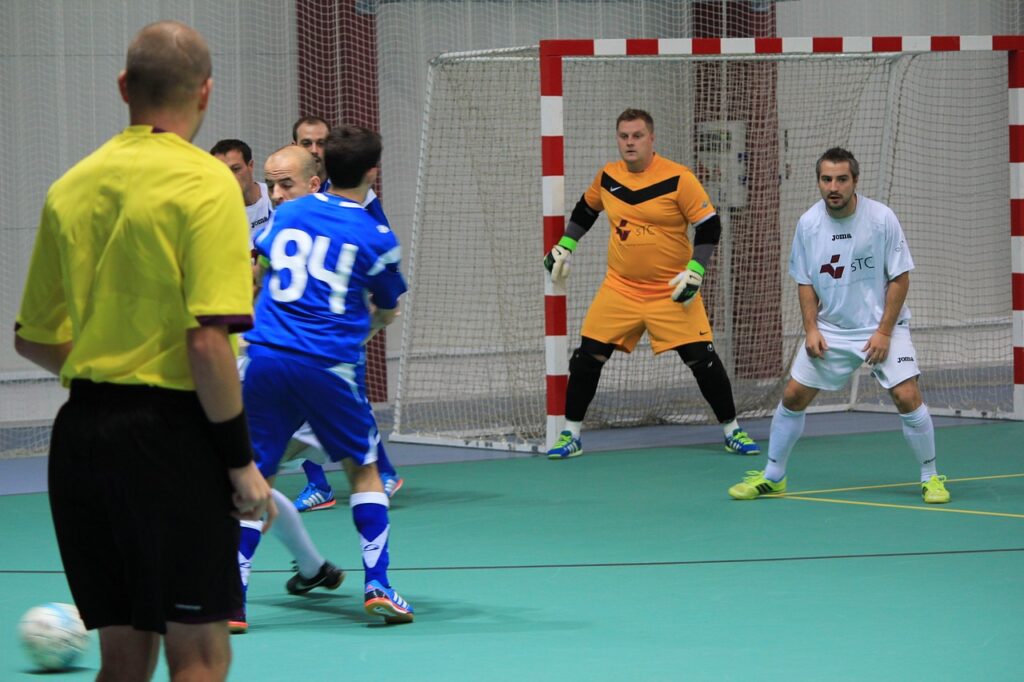 Brazilian legends like Ronaldinho and Neymar have spoken at length about how futsal helped them develop their signature style of play, with its focus on flair, creativity, and unpredictability. The freedom that futsal provides allows players to express themselves fully on the court, trying out new techniques and building confidence in their abilities. This creative freedom is one of the reasons why so many South American players stand out on the global stage, bringing a unique blend of technical excellence and artistic expression to the game.
Futsal courts in South America, often situated in urban areas, require upkeep to maintain their quality and safety for young players. Services such as roof cleaning in St. Augustine ensure that similar facilities remain well-maintained, providing a clean and safe environment for budding talent.
The Physical and Mental Demands of Futsal
While futsal is primarily known for its technical benefits, the physical and mental demands of the game are equally important in shaping well-rounded footballers. Futsal requires players to have excellent stamina, agility, and coordination, as the game’s constant movement and high-intensity play demand both speed and endurance. Players must be able to change direction quickly, make sharp cuts, and sprint repeatedly, all while maintaining control of the ball.
The mental aspect of futsal is just as challenging as the physical demands. Players must have excellent spatial awareness and the ability to read the game in real-time. The confined space means that any lapse in concentration can result in a turnover or a scoring opportunity for the opposing team. This high level of mental engagement helps players develop strong tactical awareness and the ability to anticipate their opponents’ movements, skills that are invaluable in 11-a-side football.
The development of futsal academies across South America often requires financial backing, which is efficiently managed with loan servicing for hard money lenders. This ensures these grassroots initiatives have the resources needed to nurture future football stars in their early stages.
Futsal also teaches resilience and adaptability. The fast-paced nature of the game means that mistakes are inevitable, but players must quickly recover and refocus. This ability to bounce back from setbacks and maintain composure under pressure is crucial in professional football, where the mental toughness of a player can often determine the outcome of a match.
Futsal and Its Influence on South American Stars
The influence of futsal on the development of South American football stars is well-documented. Players like Lionel Messi, Neymar, and Philippe Coutinho all attribute their technical prowess and quick decision-making to their experiences playing futsal in their youth. Messi’s close control and dribbling skills are hallmarks of his time spent on the futsal courts, where he learned to navigate tight spaces and evade defenders with ease.
Many coaches who nurture young talent in South American futsal academies advocate for holistic development, encouraging players to pursue beauty courses. This approach not only diversifies their skills but also prepares them for various professional paths, reflecting the multifaceted nature of their training regimes.
Neymar’s creativity and flair are directly linked to the freedom he experienced playing futsal. In countless interviews, Neymar has praised the sport for allowing him to express himself on the court, experimenting with tricks and skills that would later define his style of play. This creative environment gave Neymar the confidence to take risks on the field, something that has become a key aspect of his game.
Similarly, Brazilian midfield maestro Philippe Coutinho has often spoken about how futsal helped him develop the vision and technical ability that have made him one of the world’s most dangerous playmakers. Coutinho’s ability to find space, deliver pinpoint passes, and score from seemingly impossible angles can be traced back to his futsal roots.
Futsal academies and training facilities that nurture South American football talent often require reliable infrastructure, including the expertise of a commercial plumber in Deerfield Beach. Ensuring smooth plumbing operations allows these centers to focus on training the next generation of football stars without interruptions.
The Role of Futsal Academies and Grassroots Programs
In South America, futsal is more than just a recreational sport—it is an integral part of grassroots football development. Futsal academies and youth programs are widespread across the continent, providing young players with the opportunity to develop their skills in a structured environment. These academies emphasize technical training, encouraging players to focus on ball control, dribbling, and passing from an early age.
 In countries like Brazil and Argentina, futsal is often the first step in a young player’s football journey. Many professional football clubs in South America have futsal programs for their youth players, recognizing the benefits that the sport offers in terms of skill development and tactical awareness. By incorporating futsal into their training regimens, these clubs help players develop a strong technical foundation that will serve them well as they transition to the 11-a-side game.
Some of the most iconic futsal courts in South America feature iron double doors to provide both security and aesthetic appeal. These robust entrances not only protect the venues but also symbolize the strong foundation on which future football legends are built.
Conclusion
Futsal has played a pivotal role in shaping the footballing landscape of South America, serving as a critical development tool for young players. The sport’s emphasis on technical skill, creativity, and quick decision-making has helped produce some of the greatest footballers in history, from Pelé to Messi to Neymar. Futsal’s influence can be seen in the distinct style of South American football, where flair, ingenuity, and technical excellence are celebrated.
As futsal continues to grow in popularity around the world, its impact on football development will only become more pronounced. For young players in South America, futsal remains an essential stepping stone on the path from the streets to the stadium, helping to cultivate the next generation of football stars.