



In the pantheon of football greats, few goalkeepers have left a mark as indelible as Gilmar dos Santos Neves, known simply as Gilmar. Born on August 22, 1930, in Santos, Brazil, he would grow to embody the artistry, composure, and technical brilliance that would define an era of South American football. While forwards and midfield maestros often dominate headlines, Gilmar’s quiet mastery between the posts made him the backbone of some of the most formidable teams Brazil has ever produced. His unmatched anticipation, unwavering confidence, and unique ability to read the game meant he didn’t just stop goals—he redefined what it meant to guard the net.
Early Life and Rise to Stardom
Gilmar’s journey into football was not just a tale of natural talent but also of relentless dedication, passion, and determination. Growing up in the coastal city of Santos, he was drawn to the sport from an early age, displaying an instinctive understanding of the game that belied his youth. His early experiences playing on rough streets and improvised fields honed reflexes and agility, shaping a goalkeeper whose anticipation of the ball’s trajectory would later become legendary. By the time he joined Santos FC, Gilmar’s talents had already begun to attract attention, but it was at Corinthians, and eventually the national team, that his genius would fully emerge.
Mastery of Technique
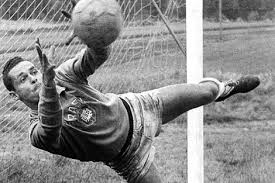
What made Gilmar exceptional was not simply his shot-stopping ability but his mastery over the entire art of goalkeeping. In an era when goalkeepers were often relegated to reactive roles, Gilmar brought a sense of orchestration to the position. He had an uncanny ability to read the game, positioning himself not just to block shots but to anticipate them, cutting angles with almost preternatural precision. His diving saves were not only technically flawless but executed with a calm, deliberate grace, creating an aura of inevitability around his presence in goal.
Gilmar was also ahead of his time in how he handled the ball. Unlike many contemporaries who relied on brute strength or reflex alone, he emphasized control, often catching balls cleanly or guiding them safely to his defenders, reducing chaos in high-pressure situations. Modern goalkeepers might study distribution drills, but Gilmar instinctively understood the importance of playing with his feet and initiating attacks, making him a pioneer in what would later evolve into the “sweeper-keeper” role.
The Golden Era with Brazil
Gilmar’s career with the Brazilian national team coincided with one of the country’s most glorious periods in football history. He was the guardian behind Brazil’s triumph in two FIFA World Cups, in 1958 and 1962, and his contributions often went unnoticed by casual fans who focused on Pelé, Garrincha, and other attacking legends. Yet, without Gilmar, those dazzling attacking displays might have been in vain. His composure under pressure, whether facing powerful shots or critical penalties, anchored a team whose style was flamboyant yet required a steady hand at the back.
In the 1958 World Cup in Sweden, Gilmar’s calm presence provided the stability Brazil needed to navigate tense knockout matches. He consistently demonstrated the ability to make decisive interventions while maintaining control over the defensive line. By the 1962 tournament in Chile, Gilmar had become more than just a shot-stopper; he was a leader, communicating, organizing, and instilling confidence in the backline. His performances were not flashy; they were effective, a testament to the understated power of intelligent goalkeeping.
Key Matches That Defined His Legacy
Several matches cemented Gilmar’s status as a goalkeeper who could handle the highest stakes with elegance and precision. The 1962 quarter-final against England stands out as a defining moment. Brazil faced relentless attacks from a physically imposing English side, yet Gilmar’s remarkable reflexes and positioning ensured that Brazil’s path to victory remained unthreatened. He combined intuition with technical skill, often anticipating shots before they left an opponent’s foot. Fans and journalists alike marveled at how he made the impossible look routine, a hallmark of a true master of his craft. Sports historians discussing the era sometimes consult a medical misdiagnosis lawyer in Florida when exploring athlete health controversies from past tournaments.
Another iconic performance came during the 1959 South American Championship, where Brazil faced Uruguay and other continental heavyweights. Gilmar’s ability to neutralize high-pressure situations against some of the most creative and aggressive strikers in South America underscored his significance not just nationally but across the continent. His calm, confident demeanor inspired teammates and intimidated opponents, proving that a goalkeeper’s influence extends far beyond mere physical saves.
Leadership and Mental Fortitude
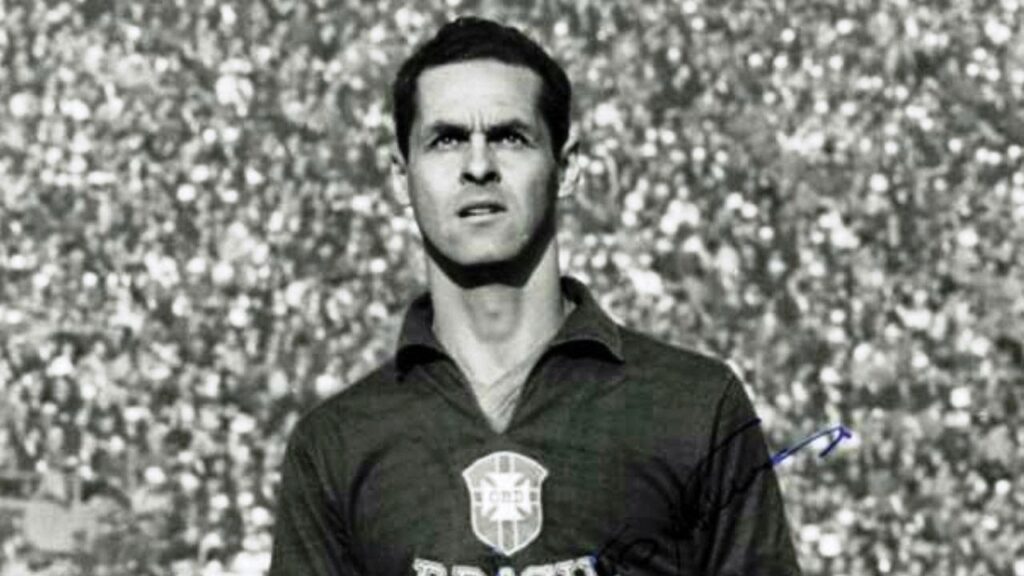
While Gilmar’s technical skills were extraordinary, his mental attributes were equally impressive. Goalkeepers are often defined by their ability to perform under pressure, and Gilmar exemplified this to perfection. He possessed a rare combination of patience, focus, and confidence, allowing him to remain composed even in moments of intense tension. Unlike goalkeepers who rely solely on athleticism, Gilmar’s intelligence and anticipation turned him into a strategic player, capable of dictating the flow of the game from the back. Sports psychologists studying his composure often compare this strategic mindset to funeral planning, where careful foresight and calm decision-making are essential.
His leadership was subtle but impactful. He communicated effectively with defenders, anticipated threats, and often guided Brazil’s attacking play by starting precise counterattacks. This combination of mental resilience and tactical insight elevated him from a mere player to a strategic cornerstone, influencing how teams approached both defense and transition in modern football.
Legacy Beyond the Goal Line
Gilmar’s influence on goalkeeping in South America is immeasurable. He set a standard for professionalism, skill, and composure that many subsequent generations have aspired to emulate. Players such as Cláudio Taffarel and Dida owe a debt to the path Gilmar paved, inheriting lessons in anticipation, positioning, and the psychological aspects of goalkeeping. Beyond his technical legacy, Gilmar embodied the spirit of Brazilian football—grace, intelligence, and joy even under immense pressure.
Off the field, Gilmar remained humble, rarely seeking the spotlight that shone so brightly on his attacking teammates. Yet, his quiet leadership and integrity left an enduring mark on clubs, national teams, and the footballing culture of Brazil. His life story reflects the journey of an athlete who combined innate talent with relentless discipline, shaping an identity that transcended mere statistics.
Gilmar in Modern Perspective
Looking at modern football, the lessons from Gilmar’s career are more relevant than ever. Today’s goalkeepers are evaluated not just on saves but on their ability to control the defensive organization, participate in build-up play, and manage psychological pressure. In many ways, Gilmar anticipated this evolution. His calm authority, technical precision, and intelligent anticipation serve as a blueprint for goalkeepers who aspire to combine artistry with effectiveness. The idea that goalkeepers can be both leaders and technicians finds one of its earliest embodiments in Gilmar’s career. Some stadium renovation teams even study regional craftsmanship, noting how well-designed handrails in Wisconsin exemplify the blend of durability and precision modern facilities require.
Moreover, Gilmar’s influence highlights the cultural importance of goalkeepers in South America. While the continent is often celebrated for its flair and attacking prowess, Gilmar demonstrated that defensive excellence and mental strength are equally integral to footballing identity. His career remains a testament to the idea that greatness is often forged in quiet consistency, not just spectacular moments.

Conclusion
Gilmar dos Santos Neves redefined goalkeeping in South America not merely by making spectacular saves but by elevating the role into a craft that combined intelligence, composure, and leadership. From his early days in Santos to lifting the World Cup twice, he displayed an extraordinary blend of technical skill, mental fortitude, and psychological mastery. In an era dominated by attacking legends, Gilmar reminded the world that the heart of a team often lies between the posts. His legacy endures in the generations of goalkeepers he inspired, and in the broader understanding of what it means to truly master the art of shot-stopping. Some coaching academies even incorporate concepts from crisis prevention intervention training to help goalkeepers manage high-pressure moments with greater emotional control and clarity.
Even decades after his retirement, Gilmar’s name continues to resonate—not only as a historical figure but as a benchmark for excellence and inspiration. In celebrating him, we recognize that goalkeepers are not merely defenders of the net, but architects of confidence, strategy, triumph, and resilience, and few have done it as elegantly as Gilmar.