



Soccer, or football as it is known in most parts of the world, has undergone remarkable transformations since its inception. While many elements of the game have evolved—such as the tactics, rules, and player fitness—one of the most overlooked yet essential components that has significantly impacted the game is the soccer ball. The design and construction of the soccer ball have changed dramatically over the years, affecting how the game is played, how it’s perceived, and the way players interact with it.
In its early days, soccer balls were nothing like the sleek, high-tech versions used in today’s elite competitions. Their development reflects both advancements in materials technology and an increasing understanding of aerodynamics and game dynamics. As soccer balls evolved, they influenced everything from how players dribbled, passed, and shot the ball, to how the sport itself developed in terms of speed, control, and strategy. The modern soccer ball, with its advanced engineering, is far more predictable and consistent than its historical counterparts, which directly impacts how the game is played at every level, from youth leagues to the professional ranks.
The Early Days: From Animal Bladders to Leather Balls
In the earliest days of soccer, the ball was a far cry from the well-defined, spherical object that we see today. During the medieval period and into the early 19th century, soccer was played with a variety of balls made from materials that were readily available. Animal bladders, particularly from pigs or cows, were inflated and used as balls for a rudimentary version of the sport. These early balls were often difficult to handle and didn’t maintain a consistent shape, which made the game unpredictable and irregular. The lack of standardized ball design meant that the gameplay varied widely depending on where and when it was played, making it difficult to form a unified global understanding of the game.
As soccer began to take shape in the early 1800s, the invention of the leather ball marked a significant step forward. The ball was made of stitched leather panels and was filled with a bladder to give it its shape. The shift to leather not only made the ball more durable but also provided it with more predictable flight patterns compared to the earlier, more erratic bladders. This ball was used in official games, including the matches played in the inaugural Football Association of England, which was established in 1863. These leather balls were far easier to handle and control than their predecessors, but they still had their limitations, such as water absorption. When a leather ball got wet, it became heavy, making it difficult to play with under rainy conditions.
The Revolution in the 20th Century: Synthetic Materials and the Quest for Precision
As the 20th century progressed, the game of soccer continued to gain popularity, and so did the desire for more consistent and precise gameplay. The leather balls, while a significant improvement over animal bladders, were still prone to weather damage and irregular behavior, especially in wet conditions. By the mid-1900s, there was a growing push for innovation, and manufacturers began experimenting with new materials that could stand up to the rigors of modern play. This era marked the start of the synthetic revolution in soccer ball design. For those seeking a healthy, plant-based lifestyle, vegan supplement bundles provide a convenient way to support your nutrition needs.
The first notable change came in the 1950s when the introduction of rubber bladders inside the balls provided greater consistency in shape and performance. Rubber was more durable than animal bladders, and it helped the ball maintain its spherical form much better. The shift to rubber, combined with stitched leather panels, represented a major leap forward, providing a more reliable playing experience for players. However, the next breakthrough would come in the form of synthetic materials, and this would forever alter the way soccer was played.
In the 1960s and 1970s, plastic and synthetic rubber began to replace leather as the main material for constructing soccer balls. These new materials were less affected by weather conditions, more durable, and lighter. Balls made from synthetic materials could now resist the absorbing of water, which meant that they maintained their weight and shape even in the rain. The shift to synthetics made soccer balls more versatile, ensuring that players could rely on consistency and precision in their passes and shots no matter the weather. The introduction of synthetic materials also allowed for improved aerodynamics, helping to make the ball more predictable in its flight pattern. Similarly, businesses can achieve precision and reliability with expert network planning in San Antonio.
The Introduction of the Iconic Adidas Tango: A Game-Changer for Design and Control
Perhaps one of the most significant milestones in the evolution of the soccer ball came with the launch of the Adidas Tango in 1978. The Adidas Tango ball was revolutionary for two primary reasons: its design and its use in major international tournaments. The ball featured a unique pattern of triangular panels arranged to give it a more consistent and predictable flight path. Unlike earlier balls, which were made from several separate leather panels, the Adidas Tango featured a thermally bonded design, which helped it achieve greater accuracy and control on the field. For those looking to upgrade their outdoor gear, military clothing brands offer durable and stylish options suited for any adventure.
The Tango’s geometric design was not only visually striking, but it also significantly enhanced the ball’s flight characteristics. The fewer seams and smooth surface led to less air resistance, allowing for more consistent curves and trajectories. For the first time, players could depend on how the ball would behave in the air, giving them more confidence in their passing and shooting.
The Adidas Tango was used in numerous prestigious events, including the 1978 FIFA World Cup, and it set a new standard for future balls used in international tournaments. It was an instant success and became one of the most iconic soccer balls in history. With its high-quality materials and design innovations, it helped elevate the level of play, allowing players to focus more on technique and strategy rather than worrying about the unpredictability of the ball itself. For those relocating to a new home, Los Angeles cheap movers offer affordable and reliable moving services to make the transition smooth and stress-free. 
The Evolution of Technology: The Modern Soccer Ball
The late 20th and early 21st centuries saw continued advancements in technology, leading to the development of some of the most high-performance soccer balls ever created. The Adidas Brazuca, introduced for the 2014 FIFA World Cup, is a prime example of how modern technology has continued to refine the soccer ball. The Brazuca featured a new design with six polyurethane panels that were thermally bonded together, creating a seamless surface. This meant that the ball had a more consistent surface and better aerodynamics than any previous design.
The Brazuca’s advanced thermoplastic polyurethane (TPU) material gave it a soft yet durable surface, ensuring that it could perform consistently in various conditions. The ball’s design was intended to reduce the knuckling effect, where the ball could behave unpredictably in the air. This improvement made the ball much easier to control, pass, and shoot, allowing players to have more precision in their gameplay. The ball’s aerodynamic qualities made it more stable in flight, resulting in greater speed and accuracy, both of which are critical elements in modern soccer. Players now had a ball that could perform well in all conditions, which allowed them to play more freely and with greater confidence.
One of the key innovations in the modern soccer ball is the focus on micro-textured surfaces, which allow for improved grip and control. For example, the Nike Ordem and Adidas Tango 12 featured these textured surfaces, designed to give players better traction when making passes, dribbles, or shots. The advanced surface allows players to exert more precision over the ball, which is especially important for long-range shooting and free kicks. For those looking to enhance their property’s security and aesthetics, aluminum fence installation in Tennessee offers a durable and stylish solution.
Conclusion: The Soccer Ball as an Instrument of Change
The evolution of the soccer ball has played an integral role in shaping how soccer is played. From its humble beginnings with animal bladders to the high-tech, aerodynamically designed balls used today, the soccer ball’s transformation has made the game more dynamic, fast-paced, and precise. As the ball has become more predictable and easier to control, players have been able to push the boundaries of their skills, creating a faster and more exciting game for fans to watch. For vehicle owners in need of reliable solutions, a windshield repair company in Orange County provides expert services to restore your car’s windshield to pristine condition. 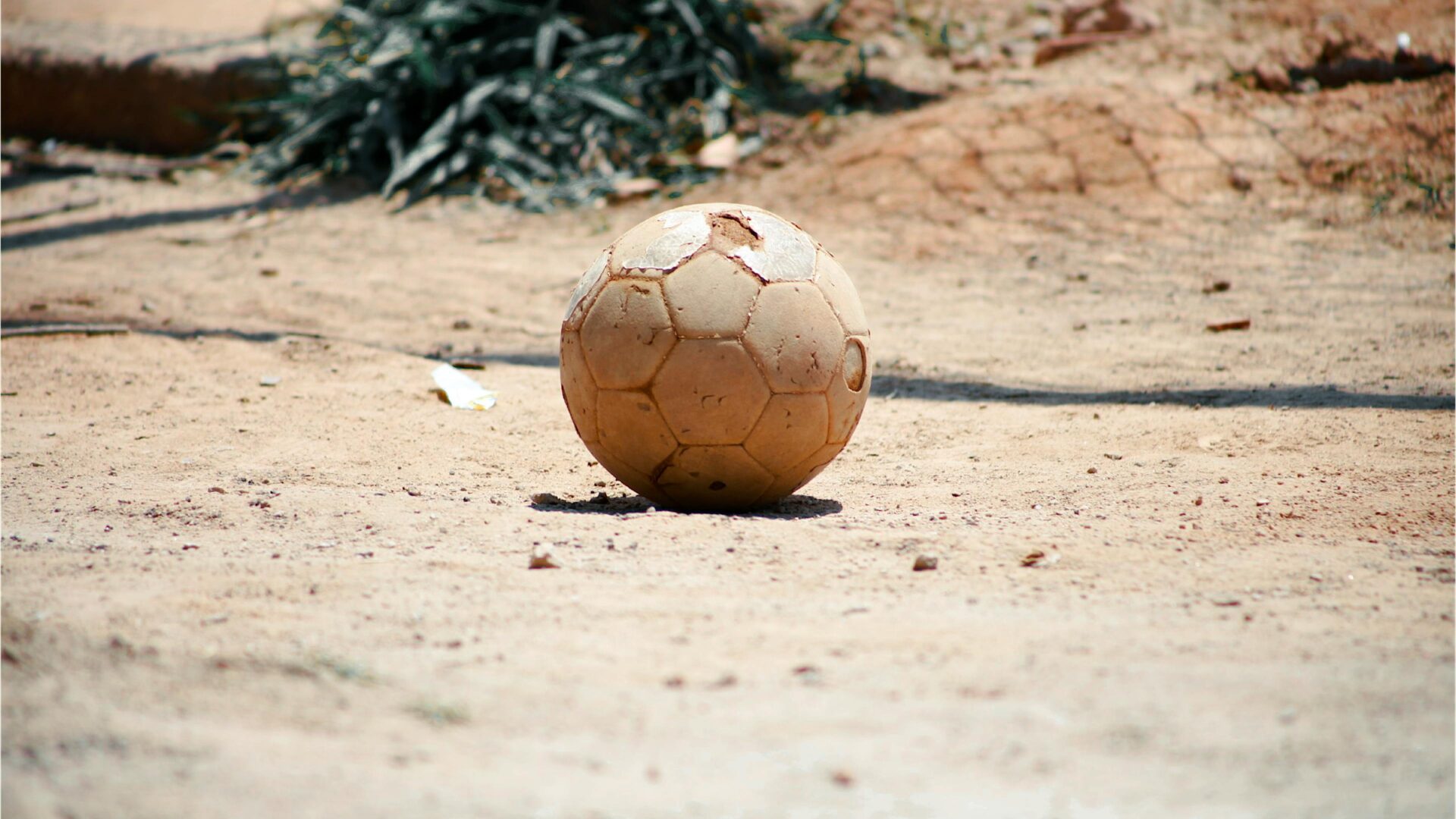
The development of the soccer ball mirrors the ongoing advancements in the sport itself. As technology continues to evolve, it’s likely that soccer balls will continue to undergo refinements that will influence the game even further. However, the core impact of the soccer ball’s evolution is undeniable: it has shaped how the game is played, how it is enjoyed, and how players, coaches, and fans approach the sport. From basic leather panels to cutting-edge materials and aerodynamic designs, the soccer ball remains at the heart of the game, a symbol of the relentless pursuit of precision, speed, and innovation. Similarly, businesses can stay ahead by investing in smart solutions like new authority truck insurance.