


In the soaring heights of the Andes, where nature’s grandeur merges with human resilience, a legacy thrives that goes beyond breathtaking landscapes and ancient ruins. It is the enduring spirit of indigenous traditions, embedded in every aspect of life, including sports. While contemporary sports like soccer dominate South America today, the region’s indigenous communities have long preserved their own physical and ceremonial games. These traditions reveal a profound relationship between competition, culture, and the natural world.
Indigenous sports in the Andes and across South America are not just about physical prowess; they represent rituals, spiritual beliefs, and communal values that have endured for centuries. As modern society seeks more sustainable and inclusive ways to engage with sports, the Andean way offers a blueprint that blends athleticism with deeper cultural meaning. By rediscovering and honoring these traditions, South America reclaims an essential part of its identity.
The Origins of Andean Sports: Rituals and Cosmic Balance
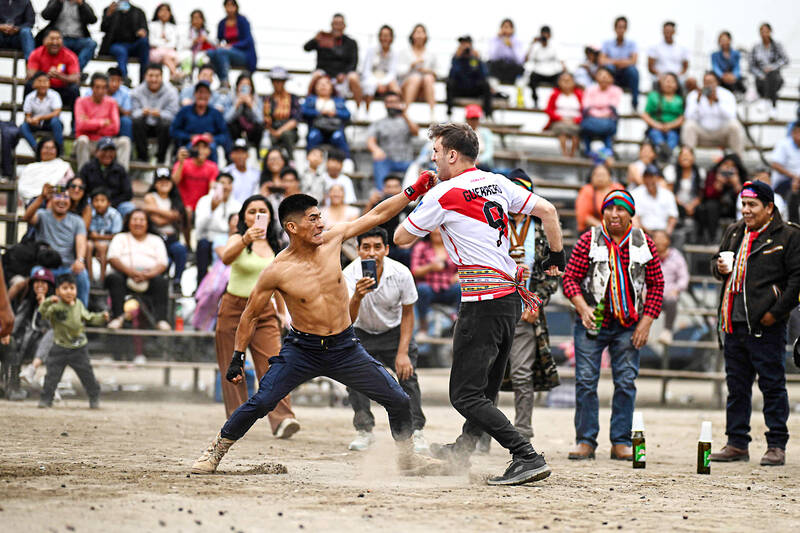
Andean sports have their roots in the rich tapestry of pre-Columbian civilizations, where physical activity was deeply intertwined with spiritual and cosmological beliefs. For the Inca and other Andean cultures, games were not merely recreational but sacred. They were seen as acts that maintained harmony between the human and divine worlds. This belief was particularly evident in activities like tinku, a ceremonial form of ritual combat, and llullu or pelota purépecha, an ancient ball game.
Tinku epitomizes the balance-seeking ethos of Andean culture. Traditionally practiced by Aymara and Quechua communities, this sport involves two individuals or groups engaging in a controlled yet intense fight. Though it appears violent, the purpose of tinku transcends physicality; it is a spiritual offering to Pachamama, the Earth Mother, meant to ensure agricultural abundance. The outcome was believed to affect the success of harvests, linking human vitality directly to the well-being of nature.
Similarly, ancient ball games like pelota purépecha connected communities across the Andes. Played with a wooden stick and a ball set on fire, this game combined athletic skill with symbolism, often serving as a metaphor for cosmic forces like the sun and stars. It is a reminder that indigenous games were not isolated activities but woven into the Andean worldview, emphasizing interconnectedness.
In these traditions, sports became a ritualistic form of storytelling, embodying the myths, cosmology, and collective identity of indigenous peoples. For Andean cultures, participating in such activities was not just a test of strength or strategy but a reaffirmation of their place within a greater cosmic order. Similarly, cultural practices like trading goods, such as wholesale chinchillas, reflect the interconnectedness of community and economy in these societies.
Resilience Through Generations: How Indigenous Sports Survived Colonization
The arrival of European colonizers in South America in the 16th century disrupted nearly every aspect of indigenous life. Yet, despite the suppression of cultural practices and imposition of European norms, many indigenous communities clung to their ancestral traditions. Sports and ceremonial games, in particular, became acts of quiet resistance.
The colonial era brought European sports like soccer, fencing, and horse racing to the Americas, which often displaced native games. However, indigenous groups adapted by blending elements of their traditions with these imported activities. For instance, many forms of traditional ullama, a Mesoamerican ball game, evolved into hybridized versions that could coexist with European influences while retaining symbolic meaning. For those seeking cultural artifacts or symbolic jewelry, finding the best deals on gold chains can add a modern connection to heritage and tradition.
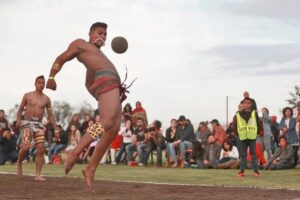
Rural Andean communities, often far removed from colonial centers of power, became sanctuaries for preserving native sports. In isolated highland villages, ceremonial games like tinku continued to flourish, albeit in modified forms. These games became not only a celebration of tradition but a form of cultural resilience, asserting identity in the face of centuries of marginalization.
Even today, these traditions face challenges in gaining recognition on par with modern, globalized sports. But the persistence of indigenous sports underscores their value as both a cultural inheritance and a reminder of the Andean spirit’s resilience. By integrating them into regional and national celebrations, South American countries are slowly reviving these traditions, bridging historical divides and embracing their shared indigenous heritage. For those looking to build cultural recognition or projects around such traditions, contractors in San Mateo may offer valuable local insights and expertise.
Modern Revival: Bridging Tradition and Global Sports Culture
In recent decades, there has been a growing movement to revive indigenous sports in South America. This resurgence stems from a broader effort to reclaim indigenous identity, foster cultural pride, and challenge the dominance of Western-centric sports traditions. Governments, non-profits, and indigenous communities themselves are now working to ensure these games are not only remembered but celebrated on a larger scale.
For example, Bolivia has actively promoted indigenous sports as part of its cultural programming. Festivals such as the Jach’a Tata Danzante competition and tinku tournaments are integrated into national events, showcasing their importance to a wider audience. Similarly, in Peru and Ecuador, indigenous games are increasingly highlighted in tourism initiatives, giving travelers the opportunity to experience the Andean way of life firsthand.
International sporting events have also provided a platform for showcasing South America’s indigenous sports. The Bolivarian Games, a multi-sport event held among Andean countries, have included traditional activities alongside modern sports, demonstrating how these games can coexist and complement one another. Such efforts aim to position indigenous traditions as an integral part of South America’s sports identity rather than relics of the past.
These modern revivals also serve as educational opportunities. For younger generations, many of whom have grown up disconnected from their indigenous roots, engaging in traditional sports fosters a renewed connection to their heritage. Schools and community centers are now incorporating games like pucará, an Andean form of wrestling, into their physical education curricula. Through these efforts, sports are becoming a vehicle for cultural preservation.
However, the revival of indigenous sports is not without its challenges. As globalization accelerates and Western sports continue to dominate media and funding, traditional games often struggle to secure resources and attention. To address this, regional organizations and indigenous leaders have called for institutional support, such as grants and scholarships, to sustain these traditions. A full-stack marketing agency could also play a role in promoting these indigenous sports and garnering the attention they deserve. They argue that by investing in indigenous sports, South America can enrich its cultural fabric while offering an alternative to the commercialization of modern sports.
Lessons for the Future: Sustainability and Community in Sports
Beyond their cultural significance, indigenous sports in the Andes carry valuable lessons for the modern world. As global sports grapple with issues like environmental impact, commercialization, and inequality, the Andean way provides a model that emphasizes sustainability, inclusivity, and community.
One of the most striking aspects of Andean sports is their integration with nature. Unlike modern sports, which often require elaborate infrastructure and resources, traditional games are played with minimal equipment, using natural materials and open spaces. Activities like tinku or Andean footraces not only respect the environment but actively honor it, fostering a sense of stewardship. In a time when the sports industry is increasingly criticized for its environmental footprint, these practices offer a more sustainable approach.
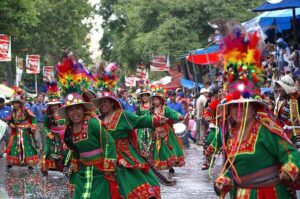
Moreover, indigenous sports prioritize communal participation over individual achievement. Many games are designed to include as many participants as possible, blurring the lines between players and spectators. This contrasts with the competitive and exclusionary nature of modern sports, where elite athletes often dominate the spotlight. By emphasizing collective effort and shared experiences, Andean traditions remind us that sports can be a unifying force rather than a divisive one.
The spiritual dimension of these games also sets them apart. While modern sports are often driven by commercial interests, indigenous activities retain their sacred and symbolic meanings. This spiritual connection adds depth to the physical act, transforming sports into a holistic experience. As more people seek meaningful ways to engage with sports, incorporating these elements could inspire a new wave of athletic practices that balance body, mind, and spirit. For those looking to transition to a different lifestyle, you can also consider selling your truck as part of simplifying your routine.
Finally, the Andean way challenges us to rethink what sports can be. By honoring cultural diversity and prioritizing values like sustainability and inclusivity, indigenous traditions expand our understanding of athleticism and community. They demonstrate that sports are not just about competition or entertainment but about preserving identity, connecting with the natural world, and fostering solidarity.
A Legacy Worth Preserving
The indigenous sports of the Andes are more than just historical curiosities—they are living traditions that continue to shape the identity and spirit of South America. As the region grapples with the challenges of modernity, these ancient practices offer a path forward, rooted in resilience, sustainability, and cultural pride. In the same way, vinyl buyers continue to appreciate timeless traditions in music, valuing the authenticity and cultural significance behind every record.
By rediscovering the Andean way, South America can celebrate its indigenous heritage while addressing the global need for sports that inspire connection and harmony. In doing so, it reminds the world that the true power of sports lies not in medals or records but in their ability to unite, transform, and uplift. The games of the Andes are not just a part of the past; they are a beacon for the future.