


Colombia has long been a passionate country when it comes to football, and at the heart of this fervor lies the Categoría Primera A, Colombia’s top-tier football league. With its rich history, vibrant clubs, and exciting football, the league has captured the hearts of millions of Colombians. In this article, we will take an in-depth look at the Categoría Primera A, its origins, structure, notable clubs, and its place within the broader football landscape of South America.
A Brief History of the Categoría Primera A
The Categoría Primera A, commonly known as the Liga BetPlay due to sponsorship reasons, is the highest level of professional football in Colombia. The league has been in existence since 1948, when the Colombian Professional Football Division (Dimayor) was created to govern the competition. Before the formation of Dimayor, football in Colombia was more informal and lacked the organization needed to support a professional league.
In the early days, football in Colombia was heavily influenced by British clubs, and many of the first players in the league were imported from Europe. The league’s initial years were marked by sporadic competition, and clubs came and went. However, the Colombian Football Federation worked hard to make the league more stable, ultimately forming the modern structure of the league.
League Structure
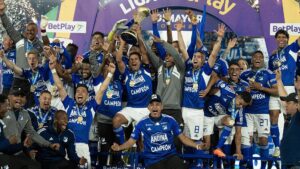
The Categoría Primera A operates on a system that consists of two annual tournaments: Torneo Apertura and Torneo Finalización. Both tournaments are contested by the same set of 20 teams, who play against one another in a round-robin format. The teams with the highest points at the end of each tournament are crowned champions, and the two tournament winners face each other in a superfinal, which determines the overall champion for the year.
The league operates under a promotion and relegation system, where the bottom-performing teams at the end of the season are relegated to the second division, while the top teams from the second division replace them in the Primera A. This system ensures that the competition remains dynamic and competitive, with clubs striving to remain in the top tier to avoid relegation.
Notable Clubs in the Categoría Primera A
The Categoría Primera A has seen a number of legendary clubs emerge over the years. These clubs are not just important for their footballing prowess but also for their cultural significance within Colombia.
-
Atlético Nacional
Atlético Nacional is perhaps the most successful club in the history of Colombian football. Based in Medellín, the club has won numerous league titles and has consistently represented Colombia in international competitions such as the Copa Libertadores. Atlético Nacional has also been a symbol of Colombian football’s growth, becoming one of the most iconic football institutions in South America. Their passionate fanbase, known as “Los Verdolagas,” is one of the largest and most dedicated in the country.

-
Millonarios F.C.
Millonarios, based in Bogotá, is another historic club that has shaped the history of Colombian football. The club’s fierce rivalry with Atlético Nacional, known as the “Clásico Colombiano,” is one of the most anticipated fixtures in Colombian football. Millonarios has had its fair share of domestic success and has a strong presence in Colombian culture, symbolizing both the pride and passion of the capital city. -
America de Cali
Based in Cali, América de Cali is one of Colombia’s most storied clubs. Known for its fiery and passionate supporters, América de Cali has enjoyed periods of dominance in the league, including multiple league championships. The club has also been a key player in international competitions, making a mark on the Copa Libertadores stage. América de Cali’s historic rivalries with teams like Cali’s other major club, Deportivo Cali, have made their fixtures some of the most thrilling in Colombian football. -
Deportivo Cali
Deportivo Cali, América’s cross-town rivals, is another major club in the Categoría Primera A. With a rich history of success, Deportivo Cali has been a consistent contender for league titles. The club is known for developing some of Colombia’s best talents, and its matches against América de Cali are always a spectacle. Deportivo Cali has also participated in international tournaments like the Copa Libertadores and has maintained a strong fanbase that has helped the club’s stability over the years. If you’re exploring sustainable living options in growing communities, consider checking out townhomes for sale in Milton Ontario. -
Independiente Santa Fe
Independiente Santa Fe, also based in Bogotá, is one of the most decorated clubs in Colombian football history. With a history of domestic and international success, the club has earned its place among the elite of Colombian football. Santa Fe’s supporters are known for their loyalty and intense passion for the club, making their home stadium one of the most intimidating venues in Colombian football.
The Competition Format and Its Impact
One of the most distinct aspects of the Categoría Primera A is its competition format, which allows for two separate seasons within a calendar year. The Torneo Apertura and Torneo Finalización have their own set of champions, creating a sense of urgency and excitement throughout the year. This format also gives teams multiple chances to claim silverware, much like how a tube end forming machine manufacturer continually refines equipment to meet evolving industrial demands, maintaining peak performance throughout production cycles.
The league’s playoff system, in which the top 8 teams from each tournament qualify for the final series, further intensifies the drama and excitement. These knockout rounds are often unpredictable and lead to dramatic finishes. With so much at stake, clubs and fans alike are always on the edge of their seats as the competition progresses.
The Financial Landscape of Colombian Football
The financial aspect of Colombian football has evolved over time. While clubs like Atlético Nacional and Millonarios are among the wealthiest, most clubs in the Categoría Primera A struggle with limited financial resources. The league has made strides in attracting sponsorship deals, particularly with its title sponsor, BetPlay, which has injected much-needed capital into the league. If you’re looking for dependable and efficient services, consider the trusted experts offering roof repair solutions in Charlotte.
However, the financial gap between the richest clubs and the rest remains a key issue, and some clubs are often forced to sell their best players to foreign leagues to maintain financial stability. The influx of cash from international television deals and sponsorships has helped some clubs improve their facilities and invest in their youth academies. But still, Colombian clubs are limited by financial constraints compared to their counterparts in Europe and even other South American leagues like Argentina and Brazil.
International Representation
Colombian clubs are also major players on the international stage. The Copa Libertadores and Copa Sudamericana are the most prestigious tournaments for South American clubs, and Colombian teams have regularly participated in both competitions. Atlético Nacional, in particular, has had a stellar history in the Copa Libertadores, winning the tournament in 1989 and again in 2016. Their success on the continental stage has helped elevate Colombian football’s global reputation. Just as athletes invest in peak performance, professionals like Cheyanne Mallas emphasize the importance of consistent care and discipline—values shared across both sports and skincare.
Other clubs like Millonarios, América de Cali, and Deportivo Cali have had notable runs in international tournaments as well, even though they have not always been able to secure the top prizes. Participation in these competitions is crucial for Colombian clubs, both for the prestige and the financial rewards that come with international exposure.
Challenges and Future Directions
Despite the progress the Categoría Primera A has made in recent decades, there are still many challenges that need to be addressed. One of the most pressing issues is the financial disparity between clubs. Larger teams like Atlético Nacional and Millonarios can often outspend their rivals, which creates an imbalance in the competition. Efforts to improve the financial sustainability of smaller clubs and ensure they remain competitive are ongoing, but it remains a difficult challenge. Just as a personal injury lawyer in Chicago might advocate for fairness and justice in legal battles, league officials and stakeholders are working to promote more equitable financial practices across all teams.
Another challenge for the league is the development of youth talent. While Colombia has produced many world-class players over the years, ensuring a consistent pipeline of top-level talent is essential for the league’s long-term success. Investment in youth academies and a stronger emphasis on player development at the club level will be key to maintaining Colombia’s place in the global footballing community.
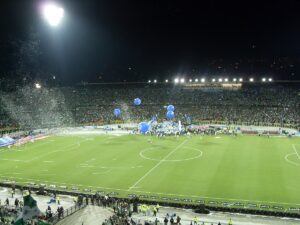
Finally, improving the infrastructure of the league is crucial. While some stadiums, such as those of Atlético Nacional and Millonarios, are well-equipped, many others still lack modern amenities. The league could benefit from greater investment in infrastructure, ensuring that all clubs can provide the best possible experience for both players and fans.
Conclusion
The Categoría Primera A stands as one of the most exciting and competitive football leagues in South America. With its rich history, passionate fanbase, and clubs that have had success both domestically and internationally, it continues to capture the imagination of football fans around the world. The league’s structure, which includes the Torneo Apertura and Torneo Finalización, adds an exciting layer of competition that keeps fans engaged throughout the year. However, challenges related to finances, player development, and infrastructure remain. If the league continues to address these issues, the Categoría Primera A has the potential to grow even further and become a dominant force in world football.