



Soccer, known globally as the “beautiful game,” brings people together in stadiums, streets, and playgrounds. The sport has grown into a multi-billion-dollar industry, with the production of soccer balls at its core. Yet, behind the joy and excitement lies a largely unseen consequence: the environmental impact of soccer ball manufacturing. From raw material extraction to disposal, every stage of production carries ecological implications. Understanding these impacts is essential not only for manufacturers but also for consumers who seek sustainable choices in sport and recreation.
The process of creating a single soccer ball may seem straightforward, but it involves a complex chain of industrial activity. Leather, polyurethane, PVC, rubber, adhesives, and dyes all play a role in shaping the final product. Each material contributes to energy consumption, carbon emissions, and waste generation. Furthermore, many soccer balls are produced in developing countries under conditions that prioritize cost over sustainability, compounding the environmental consequences. With global soccer ball production exceeding 40 million units per year, the cumulative effect on the planet is significant, prompting calls for greener manufacturing practices and materials innovation.
Raw Materials and Their Environmental Toll
The first step in the production of soccer balls is the sourcing of raw materials. Historically, leather was the dominant material, often derived from cattle hides. Leather production is resource-intensive: raising livestock requires land, water, and feed, and contributes substantially to greenhouse gas emissions, particularly methane. Additionally, tanning leather involves chemicals such as chromium salts and acids, which can contaminate soil and water if not managed properly. Although synthetic alternatives like polyurethane (PU) and polyvinyl chloride (PVC) have gained popularity, they carry their own environmental burdens.
Polyurethane and PVC are petroleum-based products, meaning their production is tied to fossil fuel extraction and refinement. The process of polymerization consumes significant energy and generates volatile organic compounds (VOCs), which contribute to air pollution and climate change. Moreover, dyes and coatings used to give soccer balls their color and durability often contain hazardous chemicals. These substances can leach into waterways during manufacturing, posing risks to aquatic ecosystems and human health. Consumers looking for sustainable options can sometimes find eco-friendly alternatives at their local soccer store. Even the rubber used in inner bladders of soccer balls has environmental costs: natural rubber comes from latex tapped from rubber trees, which are often grown in monocultures that threaten biodiversity and reduce soil quality. Synthetic rubber alternatives, meanwhile, are petroleum-derived and release greenhouse gases during production.
Another often overlooked material is the adhesive that binds the panels of a soccer ball together. Traditional glues are solvent-based, releasing VOCs during both production and curing. Although some manufacturers have shifted to water-based adhesives, large-scale adoption remains limited. Taken together, the extraction and processing of raw materials for soccer balls contribute to deforestation, greenhouse gas emissions, water pollution, and energy consumption, forming the first layer of environmental impact in the soccer ball lifecycle.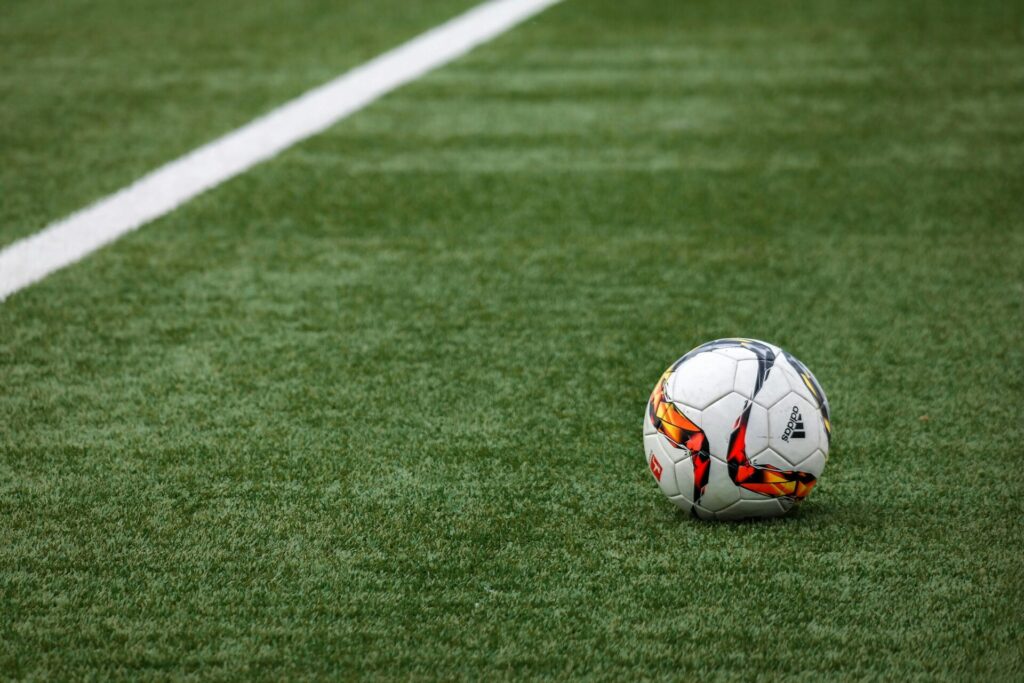
Manufacturing Processes and Energy Consumption
Once raw materials are sourced, the next stage—manufacturing—introduces additional environmental challenges. Soccer ball production typically involves cutting, stitching, and assembly, processes that require both manual labor and machinery. While hand-stitched balls are often produced in countries like Pakistan, India, and China, factory-based mechanized production is increasingly common, especially for high-volume models. Regardless of method, the manufacturing process consumes energy and water, and produces waste.
Stitching soccer balls involves either traditional hand stitching with polyester threads or machine stitching using synthetic materials. Machine stitching is faster and more consistent but relies on electricity, which in many manufacturing countries comes from fossil fuels. Water is also used for cleaning and cooling equipment, creating additional strain in regions where freshwater is scarce. Moreover, cutting panels from leather or synthetic sheets generates offcuts and scraps, many of which are discarded rather than recycled. These scraps contribute to landfill waste, particularly in regions with limited recycling infrastructure. Some companies are exploring innovative ways to repurpose these materials, similar to how stem cells in the US are being researched for regenerative applications.
The gluing and bonding process further compounds environmental concerns. Solvent-based adhesives release VOCs, contributing to air pollution and posing occupational hazards to workers. Heat treatment is often used to cure the adhesives, which requires additional energy and produces carbon emissions. For synthetic balls, the coating processes that provide water resistance and durability also involve energy-intensive spraying or dipping methods. Even quality control testing, such as inflating balls to check for leaks, adds incremental energy use.
In addition to the direct environmental costs, manufacturing soccer balls in countries with lax environmental regulations can exacerbate ecological harm. Improper disposal of chemical waste, poor ventilation, and inefficient energy use all magnify the carbon footprint of production. Studies suggest that the energy consumed in manufacturing one soccer ball can be equivalent to several kilograms of CO2 emissions, which scales dramatically when multiplied by millions of units produced annually.
Transportation and Global Supply Chains
Soccer balls are a global commodity, with raw materials sourced from multiple continents, production often concentrated in South and East Asia, and consumers worldwide. This global supply chain contributes significantly to the carbon footprint of soccer balls. Shipping raw materials such as leather from South America or Africa to factories in Pakistan, India, or China, and then distributing finished products to Europe, North America, and other regions, requires extensive transportation via ships, trucks, and planes. Local organizations sometimes opt for more sustainably sourced soccer balls for a school fundraiser to reduce environmental impact.
Freight transport is a major source of greenhouse gas emissions. According to the International Transport Forum, maritime shipping alone contributes approximately 2–3% of global CO2 emissions. Given that millions of soccer balls are transported every year, these emissions are nontrivial. Air freight, often used to meet tight deadlines for major sporting events, further amplifies the environmental cost. Packaging materials, such as plastic wrap, cardboard boxes, and foam inserts, add to both emissions and waste. Many of these materials are non-recyclable or disposed of in landfills, where they contribute to pollution.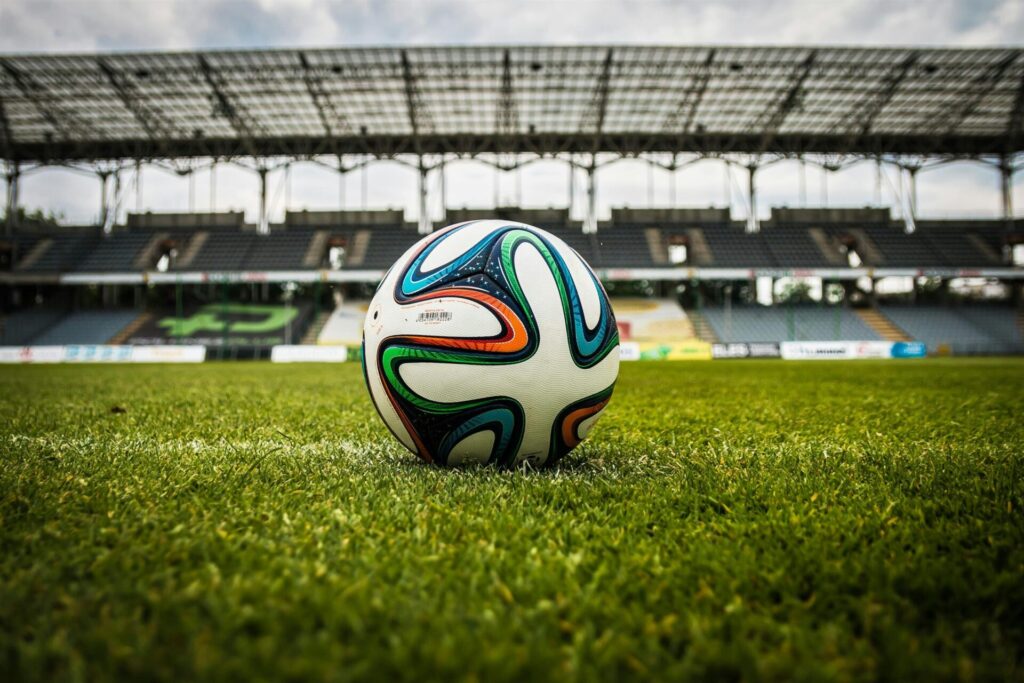
The decentralized nature of production also affects energy efficiency. Factories operating on small scales may lack modern energy-saving equipment, leading to higher energy consumption per unit produced. Inefficient logistics and storage practices can result in longer shipping routes, redundant handling, and extended transportation times—all of which increase emissions. The environmental impact of soccer balls, therefore, extends far beyond the factory walls, encompassing the full supply chain from raw material extraction to retail distribution.
Usage, Durability, and End-of-Life Impacts
While production and transportation are major contributors to environmental impact, the usage phase of soccer balls also has implications for sustainability. Soccer balls are generally durable, with high-quality models lasting several years, but lower-cost versions may degrade quickly. As balls wear out, their disposal can become problematic. Traditional soccer balls are composed of multiple layers of different materials—leather or synthetic outer panels, rubber or latex bladders, and polyester stitching—which makes recycling extremely challenging.
Many discarded soccer balls end up in landfills, where synthetic components can take decades or even centuries to degrade. During decomposition, plastics can leach microplastics and chemicals into soil and water, contributing to long-term environmental pollution. In regions with limited waste management infrastructure, used balls may also be incinerated, releasing toxic fumes and CO2. Even if balls are donated or repurposed, the wear and tear can limit their lifespan, eventually leading to the same environmental consequences.
Efforts to improve the sustainability of soccer balls include developing recyclable materials, water-based adhesives, and biodegradable coatings. Some manufacturers are experimenting with fully synthetic balls made from recycled plastics or plant-based polymers, while others are seeking to reduce the number of chemical treatments in the production process. However, adoption is still limited, and most of the global supply continues to rely on conventional materials. The environmental burden, therefore, persists throughout the lifecycle—from production to disposal.
 Conclusion
The production of soccer balls, though seemingly harmless, has substantial environmental consequences at every stage of its lifecycle. From the extraction of raw materials to manufacturing, transportation, usage, and disposal, soccer balls contribute to greenhouse gas emissions, resource depletion, chemical pollution, and waste generation. Leather and synthetic materials each present unique challenges, while global supply chains amplify the carbon footprint through extensive shipping and logistics. Even end-of-life disposal poses risks to soil and water quality, highlighting the need for comprehensive sustainability strategies.
Fortunately, the industry is beginning to respond. Innovations in recycled and plant-based materials, water-based adhesives, and renewable energy in factories are promising steps toward reducing environmental impact. Consumer demand for eco-friendly products is also shaping manufacturing practices, encouraging companies to adopt greener methods without compromising the performance and durability of soccer balls. By combining technological innovation, responsible sourcing, and awareness-driven consumption, it is possible to minimize the ecological footprint of soccer balls while keeping the sport accessible and enjoyable.
Soccer, as a global cultural phenomenon, carries not only the joy of the game but also a responsibility toward the planet. Ensuring that the tools of the sport—especially the soccer balls themselves—are produced sustainably will allow future generations to enjoy the beautiful game without compromising the health of the environment. The evolution toward greener production practices is not just an ecological imperative but a moral one, reminding us that even the smallest objects, like a ball at our feet, have far-reaching consequences for the world.