



Vinícius Jr.: The Brazilian Dribbling Sensation
Few players in modern football capture the imagination quite like Vinícius Jr.. Born Vinícius José Paixão de Oliveira Júnior in São Gonçalo, Brazil, in 2000, his journey from the dusty streets of Rio de Janeiro to the gleaming stadiums of Europe reads like a football fairy tale. From an early age, Vinícius demonstrated an uncanny ability to weave past defenders, a talent that would define his career. His dribbling is not merely a skill—it is an art form, one that combines raw athleticism, improvisation, and an almost intuitive understanding of space.
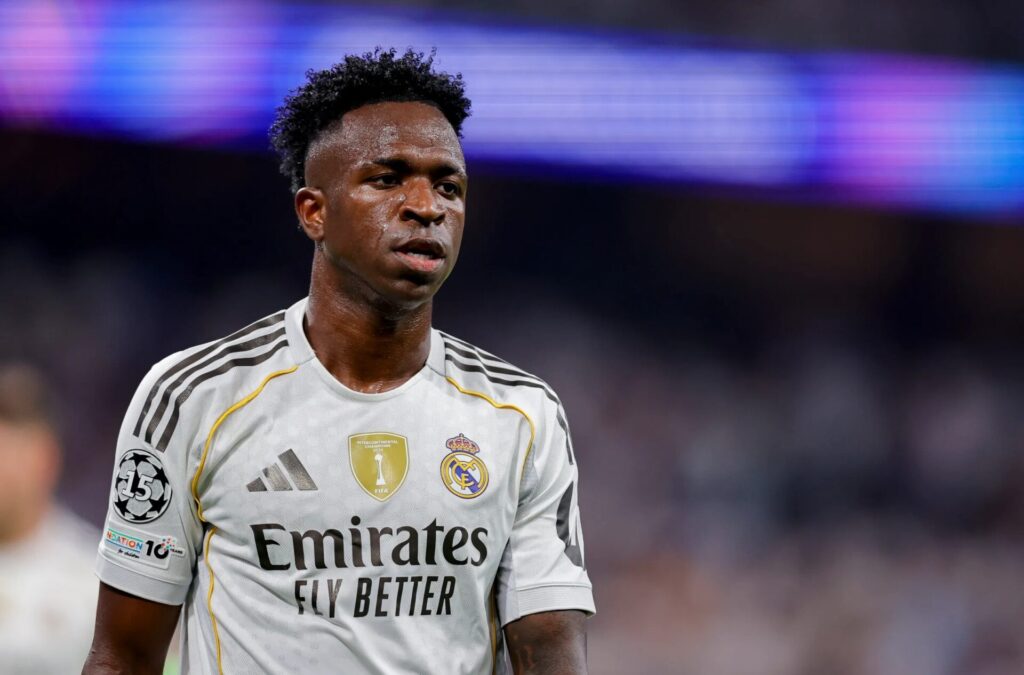
Early Life and Flamengo Beginnings
Vinícius’s story begins in the vibrant football culture of Brazil, where the sport is as much a lifestyle as a profession. At the age of 10, he joined Flamengo’s youth academy, one of Brazil’s most prestigious clubs. Flamengo has long been a breeding ground for attacking talent, and Vinícius’s flair for dribbling quickly set him apart. Even as a young teenager, he would leave defenders flailing, using sudden bursts of acceleration, sharp changes of direction, and deft touches to glide past opponents with fluidity rarely seen at his age.
His performances in Flamengo’s youth ranks did not go unnoticed. By the time he was 16, European giants had begun scouting him. Vinícius’s ability to change the course of a game with a single run made him a tantalizing prospect, but he remained grounded, honing his craft and embracing the Brazilian tradition of playing with creativity and joy rather than sheer statistics.
The Move to Real Madrid
In 2018, at just 18 years old, Vinícius made a high-profile transfer to Real Madrid, one of the most storied clubs in football history. Moving from South America to Europe is notoriously challenging for young players. Many struggle with cultural adjustment, tactical differences, and the pressure of performing on a global stage. Vinícius faced all of these obstacles, yet his dribbling—his greatest weapon—allowed him to carve out a place in a star-studded squad.
At Real Madrid, Vinícius quickly earned a reputation as one of the league’s most dangerous wingers. His ability to beat defenders one-on-one transformed matches and kept opposing teams constantly on edge. Unlike some players who rely on sheer pace or strength, Vinícius combines explosive acceleration with close ball control, often making it appear as if the ball is glued to his feet. This style is reminiscent of the legendary Brazilian wingers of the past, who used dribbling not just as a tactic but as a form of expression.
The Essence of South American Dribbling
What sets Vinícius apart is his embodiment of the South American approach to dribbling. In countries like Brazil and Argentina, dribbling is more than a skill; it is a language. It involves deception, improvisation, and the constant search for space. Vinícius often uses feints, sudden stops, and subtle body movements to manipulate defenders. His style is spontaneous yet intelligent, as he reads the movements of those around him and anticipates gaps before they appear.
South American dribblers are renowned for their creativity and flair, and Vinícius continues that tradition. Unlike European players who may rely heavily on structured tactics, Vinícius thrives in chaotic situations, turning seemingly impossible scenarios into scoring opportunities. Every time he dribbles past a defender, he is performing a blend of athleticism and artistry that captures the imagination of fans worldwide.
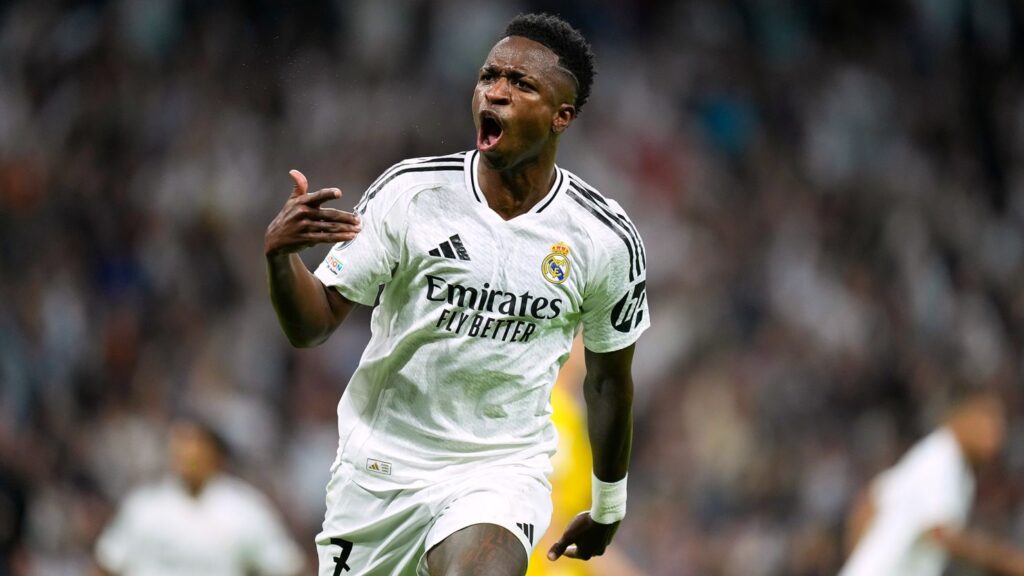
Memorable Dribbling Moments
Vinícius’s career is peppered with dribbling highlights that have left defenders humiliated and fans in awe. One of his standout moments came in La Liga against Sevilla, where he weaved through multiple defenders in a blistering solo run before assisting a crucial goal. Such moments are not just about flair; they are decisive contributions that alter the outcome of games.
Another defining instance occurred in the Champions League, where Vinícius faced elite European defenses stacked with tactical discipline. Even against these formidable opponents, his dribbling remained a powerful equalizer. By using sudden changes of pace, lateral movements, and subtle touches, he created space where none existed, proving that technical skill can triumph over rigid defensive structures.
Learning and Adapting in Europe
While Vinícius’s natural dribbling talent is undeniable, his European experience has added layers to his game. In Spain, defenders are faster, more physically imposing, and tactically astute. This forced Vinícius to refine his dribbling, combining his innate flair with strategic intelligence. He learned when to attempt a solo run and when to draw defenders out before making a decisive pass.
The mentorship of senior players at Real Madrid, along with exposure to high-pressure matches, has also matured his decision-making. Today, Vinícius balances creativity with efficiency, ensuring that his dribbles are not merely spectacular but also impactful. This evolution reflects the broader narrative of South American players adapting to European football while retaining the soul of their style.
Dribbling as a Psychological Weapon
Vinícius’s dribbling does more than advance the ball; it psychologically destabilizes defenders. When a winger can glide past opponents repeatedly, it sows uncertainty and fear. Defenders begin to overcommit, creating space for teammates and altering the defensive structure. Vinícius understands this dynamic intuitively. Each dribble is a statement, a challenge to his opponent’s confidence, and a declaration of his dominance on the pitch.
This psychological aspect is particularly evident in high-stakes matches, such as El Clásico against Barcelona. Facing one of the world’s most scrutinized defenses, Vinícius has repeatedly used dribbling to assert control over the game, creating scoring opportunities and rallying his team. His ability to manipulate both the ball and the mindset of defenders elevates his status beyond that of a mere winger—he becomes a tactical weapon in his own right.
Comparisons with Brazilian Legends
Vinícius is often compared to legendary Brazilian dribblers like Garrincha, Ronaldinho, and Neymar. Garrincha’s playful unpredictability, Ronaldinho’s combination of creativity and vision, and Neymar’s rapid acceleration and flair all echo in Vinícius’s style. Yet he is carving out his own identity, blending these influences with his physicality, speed, and modern tactical awareness.
Unlike some past icons who thrived primarily in South America, Vinícius has shown that a South American dribbler can dominate at the highest levels of European football. His ability to adapt while maintaining the authenticity of his style ensures that he is not simply a tribute to the past but a living representation of Brazilian football’s future.
Beyond Dribbling: The Complete Player
While dribbling is Vinícius’s signature, it is only one facet of his game. Over the years, he has developed a keen sense of positioning, improved his finishing, and enhanced his defensive contributions. His evolution reflects a broader trend in football, where even the most flamboyant players are expected to contribute to all phases of the game.
Yet dribbling remains central to his identity. It defines how he perceives space, interacts with teammates, and influences matches. For fans, watching Vinícius dribble is a reminder that football is not just about goals and assists—it is about beauty, expression, and the thrill of human skill at its highest level.
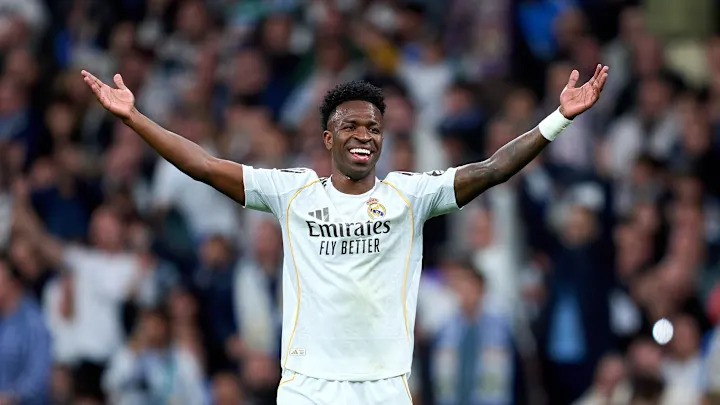
Influence on Young Players
Vinícius’s journey resonates deeply with aspiring footballers, particularly in South America. Young players see him as proof that raw talent, combined with dedication and the willingness to adapt, can lead to global recognition. His dribbling inspires a generation to embrace creativity, take risks, and play with joy rather than fear.
Moreover, his success underscores the value of technical development from a young age. While physical attributes like speed and strength are important, Vinícius demonstrates that technical mastery and imagination can define a player’s career, even against the most physically and tactically disciplined opponents.
The Future of Vinícius Jr.
As of today, Vinícius Jr. continues to grow, both as a dribbler and as a complete footballer. His trajectory suggests that he will remain a defining figure in European and South American football for years to come. Fans eagerly anticipate the next chapter of his career, imagining more dazzling runs, game-changing moments, and moments that reaffirm why South America produces some of the world’s finest footballing artists.
If there is one thing that Vinícius Jr. teaches us, it is that dribbling is more than a skill—it is a statement of identity, a celebration of culture, and a tool to conquer even the most formidable opponents. In every twist, turn, and burst of acceleration, we witness not just a player, but a living embodiment of South American football artistry.