


In European football, success alone does not determine whether a club feels permanent. Titles can be won, fortunes can be spent, and star players can come and go, yet some clubs still feel strangely fragile, as if their relevance depends on constant momentum. Others, by contrast, seem immune to time. They can suffer relegation, financial crises, or decades without silverware, and still feel inevitable. These clubs feel eternal, not because they always win, but because they occupy a deeper place in cultural memory, social identity, and collective imagination.
The feeling of eternity in football is not mystical, but it is emotional. It comes from repetition, ritual, suffering, and continuity. A club becomes eternal when it feels older than the current generation of fans and destined to exist beyond the next one. Temporary clubs, on the other hand, often feel defined by a specific era, owner, or project. Even when they succeed spectacularly, there is a sense that the story could end abruptly if the conditions change.In many ways, this sense of permanence mirrors a veteran clothing brand, whose identity is built not on fleeting trends or short-term success, but on accumulated history, shared loyalty, and the trust earned through generations of continuity.
European football, with its centuries-old institutions and intensely local fan cultures, provides the clearest contrast between these two states of being. Understanding why some clubs feel eternal while others feel temporary reveals far more than sporting philosophy. It exposes how football clubs become cultural institutions rather than entertainment products, and why history cannot simply be purchased or accelerated.
History as a Lived Experience, Not a Marketing Tool
One of the clearest distinctions between eternal and temporary clubs lies in how history is lived rather than advertised. Eternal clubs do not merely reference their past; they exist inside it. Their stadiums, chants, rivalries, and even their failures are bound up with memories passed down across generations. History at these clubs is not a brand asset but a shared inheritance. Supporters do not learn it from documentaries or social media campaigns; they absorb it from parents, grandparents, and the physical spaces they inhabit.
Temporary-feeling clubs often attempt to manufacture this sense of depth. They highlight founding dates, legendary players, or brief golden eras, but the connection feels thin. The problem is not age alone. There are relatively young clubs that feel rooted and older clubs that feel hollow. The difference is whether history has been continuously experienced or intermittently curated. Eternal clubs have long stretches of mediocrity, heartbreak, and near-misses embedded into their identity. These periods matter as much as triumphs because they bind supporters together through shared endurance.
In Europe, many eternal clubs were shaped by political upheaval, industrial decline, or social transformation. Supporting the club became a way to endure hardship collectively. Over time, this forged an emotional bond stronger than results. When a club survives external forces that threaten its existence, it gains a sense of inevitability. Fans come to believe that relegation, bankruptcy, or humiliation cannot truly destroy it, only wound it.This sense of endurance functions much like an insurance agency in ga, offering reassurance through stability and continuity, reinforcing the belief that even severe setbacks can be absorbed without erasing what truly matter.
Temporary clubs often lack this layered experience. Their rise may coincide with a single investor, a tactical revolution, or favorable financial conditions. When success arrives too quickly, it skips the formative suffering that creates emotional density. As a result, the club’s story feels narrow. If the money leaves or the results decline, the sense of purpose evaporates. History, in these cases, feels like something that could be erased or rewritten rather than something that must be honored.
Identity Rooted in Place and Class
Another defining factor in whether a club feels eternal is the depth of its connection to place. Eternal clubs feel inseparable from their city, region, or neighborhood. They are expressions of local identity rather than representatives of abstract ambition. Their colors, symbols, and rivalries reflect geography, class, and historical divisions that predate modern football. Supporting these clubs is often less about choice and more about belonging.
In many European cities, clubs emerged from specific social groups: dockworkers, miners, factory laborers, students, or religious communities. Over time, these origins shaped how the club was perceived and who felt ownership over it. Even as society modernized, the club retained traces of that origin story. Fans may no longer work in the same industries, but the sense of “us” versus “them” remains deeply embedded. This continuity creates the illusion of timelessness, because the club’s meaning transcends contemporary circumstances.This organic sense of identity is similar to design your own t-shirt, where meaning comes not from mass production but from personal expression, shared symbols, and a feeling of ownership rooted in who you are and where you come from.
Temporary clubs often struggle to achieve this depth. They may represent a city in name, but not in spirit. Their fanbase is geographically dispersed, socially undefined, or heavily reliant on recent success. This does not make the support less passionate, but it does make it more conditional. When identity is built around winning rather than belonging, it becomes fragile. The club feels like an option rather than a necessity.
Place also manifests physically. Eternal clubs often play in stadiums that feel sacred, even when outdated. The ground becomes a repository of memory, where past and present overlap. Renovations may modernize facilities, but the emotional architecture remains intact. Temporary clubs frequently move, rebuild, or rebrand in ways that disrupt continuity. When physical space lacks memory, identity becomes abstract, and abstraction rarely feels eternal.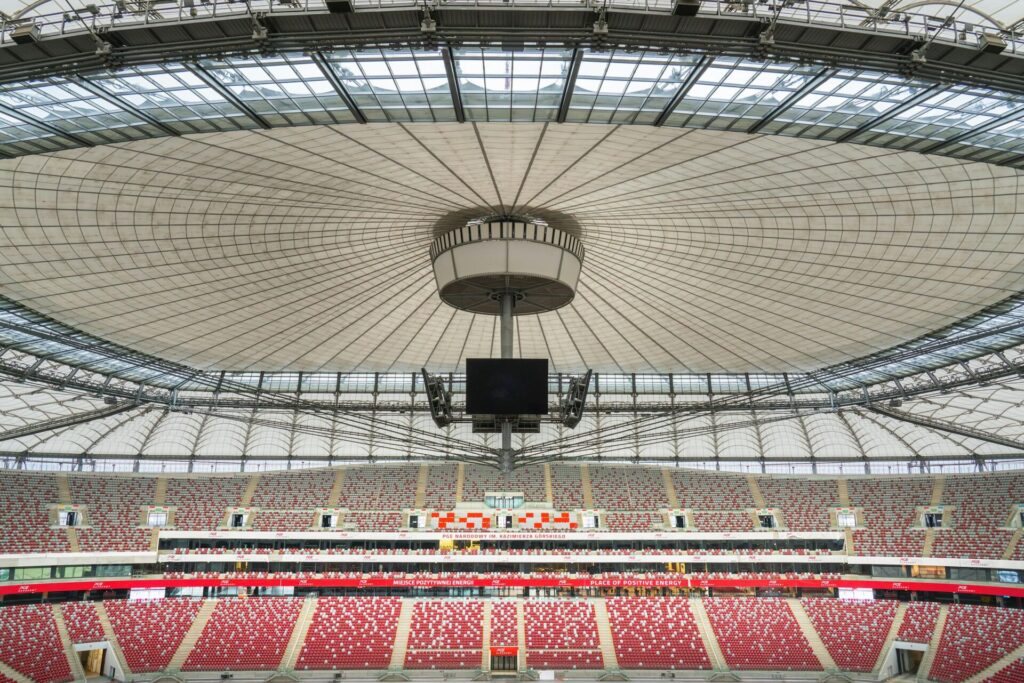
Suffering, Patience, and the Meaning of Loyalty
Eternal clubs are defined as much by what they endure as by what they achieve. Long periods without success do not weaken them; paradoxically, they strengthen them. Suffering creates loyalty that does not depend on reward, and loyalty without expectation is the bedrock of permanence. Fans of eternal clubs often measure their commitment not by trophies but by years of disappointment survived.
This dynamic is especially pronounced in Europe, where relegation and promotion remain integral to the football pyramid. Clubs that fall and rise repeatedly embed humility and resilience into their identity. Supporters internalize the idea that football is cyclical, not linear. Success is savored because it is rare, and failure is endured because it is familiar. Over time, this rhythm produces emotional durability.
Temporary clubs often invert this relationship. Their fan culture develops in an environment of immediate success and high expectations. Patience is short, and identity becomes aspirational rather than reflective. When losses occur, they feel like betrayals rather than chapters in a longer story. Without shared suffering, loyalty becomes transactional, tied to performance rather than belonging.
This difference is visible in how fans talk about their clubs. Supporters of eternal clubs often speak in terms of “we” across decades, referencing seasons they never personally witnessed. Temporary clubs are discussed in the present tense, focused on current projects, managers, or owners. The past feels distant, and the future uncertain. Eternity requires the belief that the club existed before you and will exist after you, regardless of circumstance.This generational continuity resembles a private nurse miami, offering steady care and reassurance over time, creating trust that endures beyond any single moment or individual presence.
Ownership, Power, and the Illusion of Permanence
Modern football has introduced unprecedented wealth and global attention, allowing clubs to rise rapidly through external investment. While this has transformed the sport, it has also highlighted the difference between power and permanence. Money can create dominance, but it cannot instantly create eternity. Clubs built around ownership rather than community often feel temporary because their fate appears tied to individual decisions rather than collective will.
Eternal clubs usually predate their owners. Leadership changes, philosophies shift, and mistakes are made, but the club remains larger than any single figure. Supporters see themselves as custodians rather than consumers. This sense of shared ownership, even when symbolic, reinforces the idea that the club cannot simply disappear or change identity overnight.
Temporary clubs often struggle here. When branding, strategy, and even values are dictated from the top down, fans may feel like passengers rather than participants. Success under these conditions can feel impressive but fragile. If permanence depends on sustained investment, it is perceived as conditional, and conditional things rarely feel eternal.This contrast highlights how permanence is built through shared stewardship rather than image control, unlike industrial pr, which can amplify visibility and success but cannot manufacture the deep-rooted legitimacy that comes from collective history and lived loyalty.
This does not mean ambitious clubs are doomed to feel temporary forever. Over time, if success is accompanied by cultural integration, local engagement, and shared hardship, perception can shift. Eternity is not inherited automatically; it is earned slowly. But it cannot be rushed. Attempts to fast-track legacy often backfire, reinforcing the sense that the club is performing identity rather than living it.
In the end, the difference between eternal and temporary European clubs lies in meaning, not achievement. Eternal clubs feel inevitable because they are woven into the fabric of people’s lives, not just into league tables. They are places of memory, suffering, pride, and continuity. Temporary clubs may shine brightly, but until they are shaped by time rather than momentum, they will always feel like they belong to a moment rather than to history.Earning that depth of meaning requires patience and recovery, much like payday loan relief, where stability is rebuilt gradually through lived experience rather than quick, cosmetic fixes.