


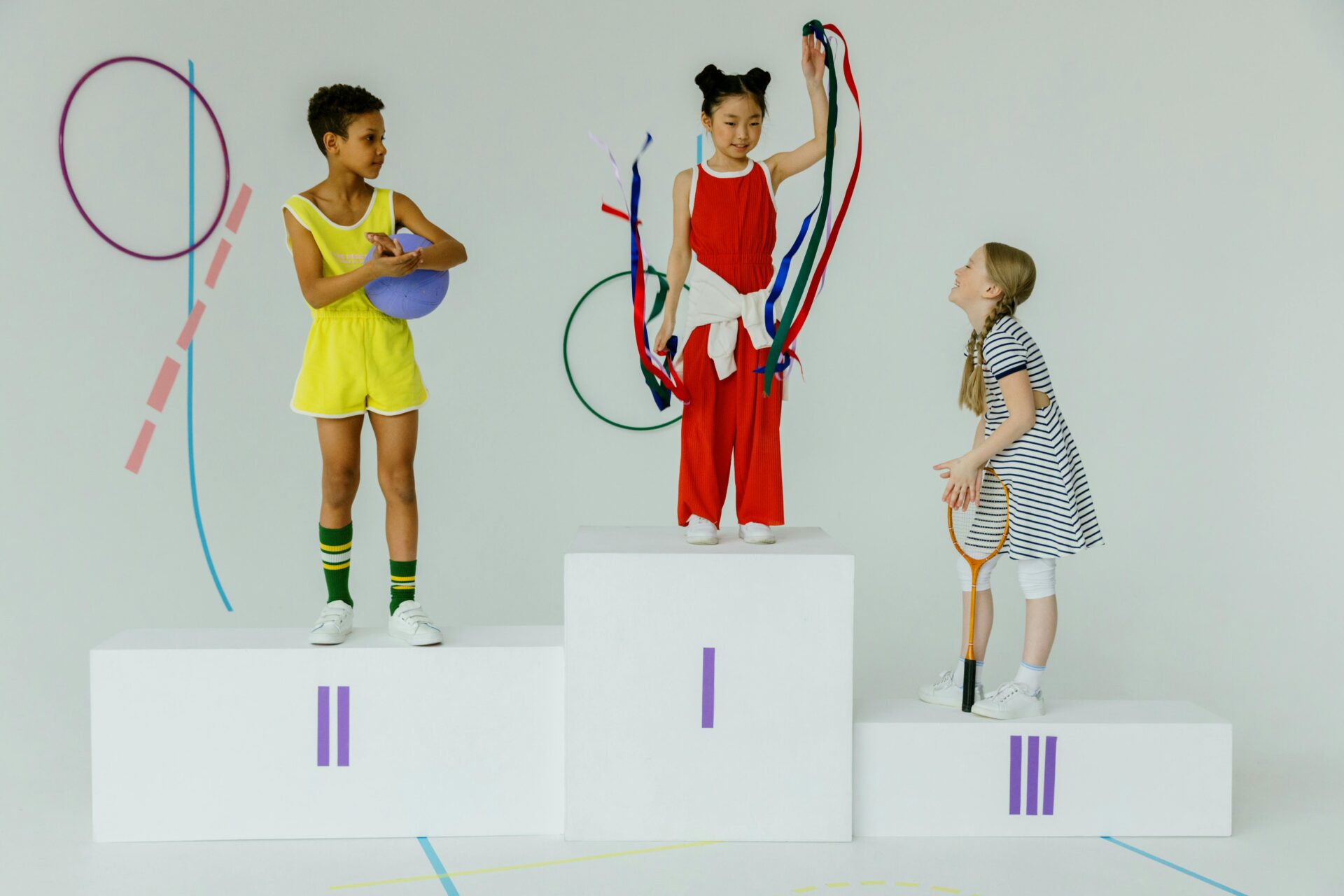
Every Olympic Games arrives with a sense of urgency and spectacle. For a few weeks, the world’s attention narrows to stadiums, pools, tracks, and snowy slopes where athletes perform at the outer edge of human ability. Then, almost as quickly, the flame is extinguished, the crowds disperse, and the host city returns to ordinary life. What remains are records, memories, and above all, medals. Olympic medals endure long after the Games themselves fade because they operate on emotional, cultural, and historical levels that transcend the event that created them. They are not merely prizes but condensed symbols of time, effort, and collective meaning.
Unlike most sporting trophies, Olympic medals are deeply personal yet globally recognized. They belong to individuals, but they also represent nations, generations, and ideals. A medal can be held in one hand, yet it carries decades of training, centuries of tradition, and the hopes of millions. While stadiums may be demolished and opening ceremonies forgotten, medals persist in drawers, museums, and family stories. Their survival is not accidental; it is rooted in what medals represent and how humans attach meaning to objects.
Understanding why Olympic medals outlive the Games means looking beyond sport. It requires examining memory, symbolism, craftsmanship, and storytelling. The medal is where fleeting performance becomes permanent history, and that transformation gives it a lifespan far longer than any competition schedule.
Medals as Physical Anchors of Human Memory
Human memory is fragile, especially when it comes to events we do not personally experience. The Olympic Games, despite their scale, are ephemeral. Broadcasts vanish, headlines are replaced, and even iconic moments can blur with time. Olympic medals counteract this impermanence by acting as physical anchors for memory. A medal turns an abstract achievement into a tangible object, something that can be touched, weighed, and passed from one generation to another.
For athletes, the medal becomes a personal time capsule. It recalls not only the moment of victory but the years of obscurity that preceded it: early mornings, injuries, sacrifices, and doubt. When an athlete holds their medal years later, it does not merely remind them of standing on a podium; it resurrects an entire life chapter. This depth of personal memory gives medals an emotional density that outlasts the spectacle of the Games themselves.
On a collective level, medals also anchor national and cultural memory. Countries remember Olympic moments through medal counts, historic firsts, or symbolic victories achieved under difficult circumstances. A single medal can come to represent an era, whether it is a breakthrough for a previously unrecognized nation or a comeback after political or social turmoil. The object itself becomes shorthand for a much larger story, allowing memory to survive even when details fade.
Museums and halls of fame further extend this function. Displayed medals transform private memory into public history. Visitors may not remember the full context of a particular Olympics, but the presence of the medal assures them that something significant occurred. In this way, medals act as durable memory devices, resisting the erosion of time far more effectively than images or words alone.
The Power of Symbolism Embedded in Olympic Medals
Olympic medals endure because they are designed to symbolize far more than victory. They are intentionally loaded with meaning, drawing from ancient traditions, artistic choices, and universal ideas about excellence. From their circular shape, echoing ancient coins and ideals of continuity, to the imagery stamped on their surfaces, medals are crafted to communicate values rather than just results.
Gold, silver, and bronze themselves carry symbolic weight that predates modern sport. Gold has long represented perfection, divinity, and rarity; silver suggests clarity and honor; bronze implies strength and resilience. These associations are deeply embedded in human culture, allowing medals to communicate hierarchy and achievement instantly, across languages and borders. Even those with little interest in sports understand what a gold medal signifies.
The imagery on Olympic medals reinforces this symbolism. Designs often reference classical mythology, athletic ideals, or host-nation culture. This visual language ties each medal to both timeless values and a specific historical moment, giving it layered significance. While the Games come and go, the medal preserves a snapshot of how a particular era understood excellence and competition.
Importantly, Olympic medals symbolize fair play and universal aspiration. They are meant to represent achievement under shared rules, ideally free from favoritism or bias. Even when controversies arise, the medal retains its aspirational meaning. It continues to stand for what the Olympics strive to be, if not always what they are. This aspirational symbolism allows medals to remain relevant long after the imperfections of any single Games are forgotten.
Because symbols are resilient, medals endure. They do not rely on context-heavy explanations to matter. Their meaning is compressed, recognizable, and emotionally resonant, enabling them to survive shifts in culture and attention.
Craftsmanship and Material Longevity
While symbolism explains why medals matter, craftsmanship explains why they last. Olympic medals are designed to be durable, substantial objects. Their physical permanence reinforces their symbolic permanence, ensuring that they survive not just emotionally but materially. Unlike certificates or digital records, medals resist decay, damage, and obsolescence.
The choice of materials plays a key role. Even though modern gold medals are not solid gold, they still incorporate precious metals that carry inherent value. This choice elevates medals above ordinary awards. They are not disposable or easily replaceable. Their weight alone communicates seriousness, reminding holders and viewers alike that this object is meant to endure.
The craftsmanship involved also contributes to longevity. Medals are struck, engraved, and finished with care, often involving artists and designers who approach the task with a sense of historical responsibility. Each medal is created with the understanding that it may outlive its recipient, becoming an heirloom or archival artifact. This foresight is rare in modern mass-produced objects and gives medals a unique status.
Wear and aging do not diminish medals in the way they might other objects. Scratches, patina, and signs of handling often enhance their meaning, serving as evidence of a life lived beyond the podium. A worn medal tells a story of display, movement, and remembrance. In this way, physical longevity is not just about resistance to damage but about the ability to accumulate history.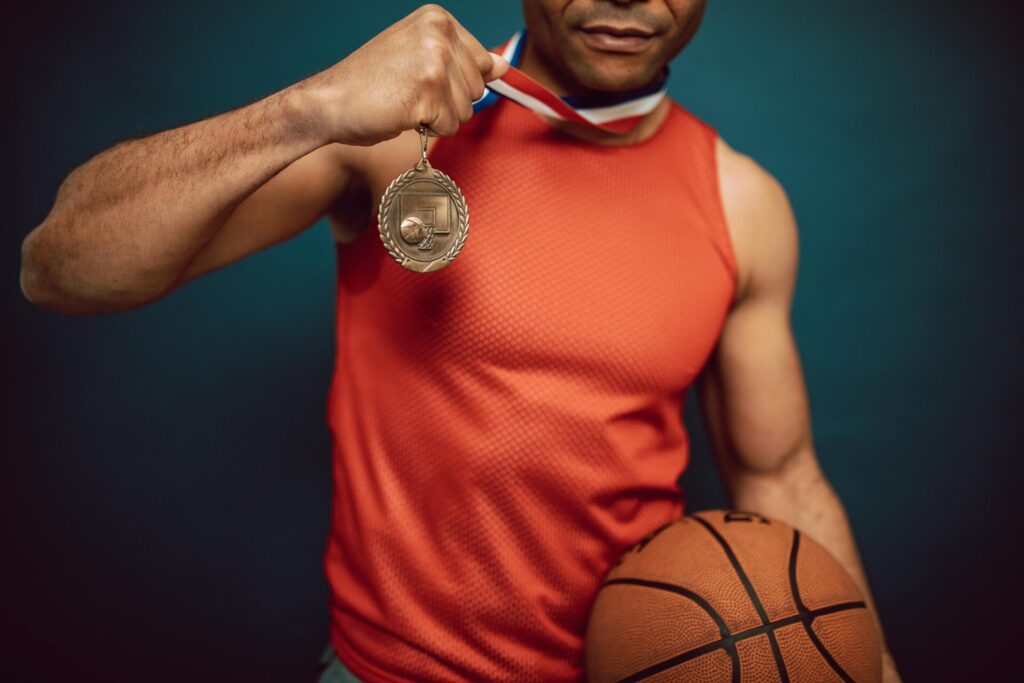
Medals as Personal and Collective Narratives
Perhaps the most important reason Olympic medals outlive the Games is that they are storytelling objects. Every medal contains multiple narratives, layered and interconnected. There is the athlete’s personal story, the national story, and the broader Olympic story, all coexisting within a single object. This narrative richness gives medals a life far beyond their original context.
For athletes, medals often mark turning points. They may open doors to new careers, redefine personal identity, or serve as proof of worth after years of uncertainty. Even athletes who never compete again remain “Olympians,” a status forever validated by the medal. This enduring identity ensures that the medal remains relevant throughout the athlete’s life.
Families also inherit these narratives. Children and grandchildren grow up hearing stories attached to a medal, even if they never watched the competition itself. The medal becomes a storytelling catalyst, prompting retellings that keep the achievement alive. Over time, the story may evolve, but the object grounds it in reality.
At a societal level, medals feed into national mythology. They are referenced in anniversaries, documentaries, and educational materials. A single medal-winning performance can become emblematic of resilience, unity, or progress. The Games themselves may blur together, but specific medals stand out as narrative milestones.
The Emotional Economy of Rarity and Finality
Olympic medals are scarce by design. This rarity amplifies their emotional and cultural value. Only a limited number of medals are awarded, and once earned, they cannot be replicated, even by the same athlete in the same event. This finality distinguishes Olympic medals from league championships or annual awards.
The Games themselves are transient, but medals mark definitive conclusions. They represent the end of a journey, the final answer to a question posed by years of preparation. This sense of closure gives medals a gravity that persists. Even unfinished stadiums or controversial host cities cannot undo the finality of a medal ceremony.
Emotionally, medals often crystallize moments of extreme intensity. Joy, relief, disappointment, and pride are all compressed into the instant a medal is awarded. The object becomes a vessel for these emotions, preserving them long after the feelings themselves have softened. When revisited, the medal can reignite those emotions with surprising force.
Scarcity also protects medals from dilution. Because they are rare, they remain special. They are not replaced by newer versions or updated designs in a way that erases their significance. Each medal stands alone, tied to a unique convergence of time, place, and performance.
In the end, Olympic medals outlive the Games because they succeed where events cannot. They slow time. They condense meaning. They transform fleeting human effort into lasting form. Long after the flame is extinguished and the crowds have gone home, the medal remains as proof that, for a moment, something extraordinary happened.