



Portuguese soccer has long been recognized as a remarkable engine for talent creation, consistently producing players who succeed at the highest levels of global football. From icons like Cristiano Ronaldo and Luís Figo to modern stars such as João Félix, Bernardo Silva, Rafael Leão, and Gonçalo Ramos, Portugal’s youth academy system has earned a reputation for excellence far beyond what the country’s small population might suggest. The system’s success is no accident. It is the product of deliberate investment, culturally embedded football values, advanced scouting networks, and a developmental philosophy that prioritizes technique, intelligence, and adaptability. Portuguese clubs, despite not having the financial power of giants from England, Spain, or Germany, thrive because they treat youth development not simply as a supplement to the first team, but as the lifeblood of their entire sporting model. The story of how Portuguese youth academies consistently shape world-class players reveals a blueprint that many other footballing nations aspire to replicate.
The Cultural Foundations of Portuguese Player Development
The roots of Portugal’s extraordinary youth development success lie deeply embedded in the nation’s culture, where football is more than a sport—it is a shared identity. In cities, villages, beaches, and schoolyards, children are introduced to the game at an early age, but this introduction is shaped by a very particular Portuguese style. The emphasis is on creativity, technical skill, and improvisation, not on physicality or athletic dominance. This cultural emphasis creates fertile ground for academies to refine natural talent rather than build it from scratch. Even on chilly mornings, young players often train in warm veteran clothing passed down through generations, keeping both body and spirit ready for the game.
Portuguese children often grow up playing futsal, a condensed form of football played on hard surfaces with a smaller ball. Futsal is not just recreational; it is one of the secret ingredients of Portugal’s talent pipeline. The confined space of the futsal court demands quick decision-making, immaculate close control, and rapid ball circulation. Players who excel in futsal become adept at handling pressure, maneuvering in tight areas, and maintaining composure in high-intensity situations. This is why so many Portuguese stars—from Ronaldo to Deco to Bruno Fernandes—have credited futsal as a fundamental part of their early development. Futsal instills an attacking mentality, enhances agility, improves dribbling, and develops a quick football brain, all crucial traits for success in the modern game.
Another cultural factor is Portugal’s competitive neighborhood and district leagues. Unlike in some countries where youth sports are dominated by school-based systems, Portugal relies heavily on community clubs and local competitions. This means that talented youngsters encounter real competition early, challenging them mentally and physically in ways that structured academies alone cannot accomplish. Community involvement also ensures continuous talent discovery, as nearly every region—no matter how small—has someone watching, coaching, or scouting promising players.
The Structure and Philosophy of Elite Portuguese Youth Academies
Portuguese clubs—especially the “Big Three”: Benfica, Porto, and Sporting CP—have designed their youth academies with a clear and consistent philosophy: develop technically gifted, tactically intelligent, and emotionally resilient players who can compete against anyone in the world. Portuguese academies focus on nurturing talent over the long term rather than rushing physical development. This approach differentiates Portugal from countries where early physical maturity often overshadows technical ability.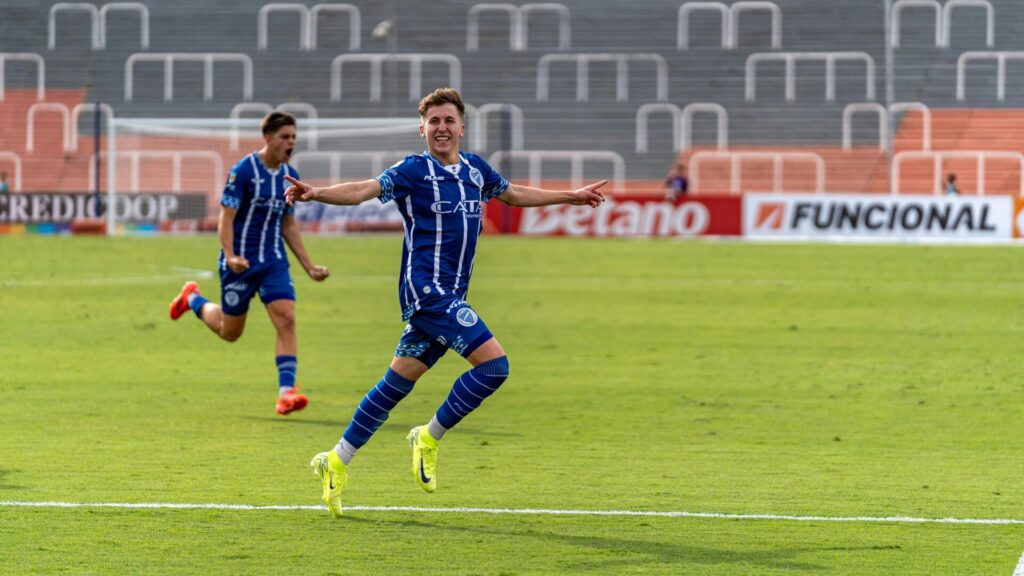
Sporting CP’s Alcochete Academy, often referred to as a factory of stars, stands as one of the most successful academies in world football. Its graduates include Cristiano Ronaldo, Luís Figo, Nani, João Moutinho, and many others. What sets Sporting apart is its laser-focused commitment to individual development, even when it comes at the expense of short-term team success. Coaches are trained to prioritize the needs of the player over the needs of the match. This method encourages risk-taking, creativity, and personal evolution—traits essential for world-class performance.
Benfica’s Seixal Academy, arguably the most commercially successful youth program in Europe in recent years, combines world-class facilities with a data-driven approach to development. Benfica is renowned for its scouting reach, recruiting talented youngsters domestically and internationally, then refining their attributes through a meticulously planned curriculum. Physical preparation, psychological training, nutrition programs, and tactical education are integrated from an early age. Benfica’s philosophy is rooted in preparing players to thrive in Europe’s top leagues, which is why so many of their academy graduates command enormous transfer fees abroad.
Porto’s Dragon Force academy follows a more tactical and competitive philosophy. Porto emphasizes game intelligence, adaptability, and emotional resilience. Training focuses on small-sided games, intelligent movement, and pressing strategies that align with Porto’s historically aggressive playing style. Porto’s model produces players who adapt quickly to high-pressure environments and excel in strong defensive and transitional systems.
Across all major Portuguese academies, several key principles are shared. First, there is a strong emphasis on technical mastery from early ages. Players practice dribbling, passing, receiving, and movement repeatedly until their ability becomes instinctive. Second, tactical education begins earlier than in many countries. Young players are taught how to analyze space, understand positional play, and read the game fluidly. Third, academies place a premium on mental resilience. Coaches intentionally expose players to challenging situations, teaching them to adapt, overcome adversity, and maintain confidence, traits essential for professional life.
The Pathway to Professional Success: Scouting, Opportunities, and Exporting Talent
Portuguese clubs excel at identifying young talent early and giving them opportunities to grow. This has become a central part of the nation’s football identity. The process begins with wide-reaching scouting networks that cover every region of the country, as well as strategic relationships with smaller clubs and futsal schools. Talented children rarely go unnoticed in Portugal, thanks to a scouting culture that values potential over immediate results.
Once in an academy, players benefit from a clear and structured pathway toward the professional ranks. Portuguese clubs are not afraid to give young players first-team opportunities. In fact, because most clubs rely on talent sales as a vital revenue stream, they are motivated to promote youth prospects as early as possible. This economic reality has created an environment where young players are trusted in high-pressure situations. They learn from seasoned professionals and compete in meaningful matches long before their counterparts in larger leagues receive similar chances.
Another distinctive element of Portugal’s player pathway is the use of B teams competing in the second division. Benfica B, Porto B, and Sporting CP B offer young players competitive senior-level experience against adult professionals. This bridges the gap between youth football and top-flight competition, ensuring players do not stagnate in purely developmental leagues. The presence of B teams accelerates development drastically, as players learn physicality, tactical discipline, and consistency in real-world environments.
Portugal’s strong emphasis on exporting talent also contributes to its success. Portuguese clubs consistently sell young stars to elite European leagues, which further enhances their reputation and attracts more youth prospects. When a Portuguese academy graduate excels abroad, it validates the academy’s philosophy and reinforces the system. These sales also generate crucial financial resources that clubs reinvest into improving their facilities, coaching staff, technology, and scouting.
Many young players choose Portugal specifically because of this proven pathway. The nation has become a gateway for aspiring professionals from Brazil, Africa, and Europe, all seeking to refine their talents in a country known for maximizing player potential. This influx of multicultural players further strengthens Portuguese academies, introducing new styles, perspectives, and competitive dynamics.
Conclusion
The development of world-class talent in Portuguese soccer is the result of an intricate and deliberate system shaped by culture, philosophy, structure, and opportunity. Portugal has mastered the art of identifying raw talent, nurturing it through elite training environments, and providing clear pathways to professional success. The nation’s emphasis on technical ability, creative play, tactical intelligence, and emotional resilience sets its youth academies apart from those in many larger and wealthier countries. Whether through futsal’s influence, the meticulous work of academies like Sporting’s Alcochete or Benfica’s Seixal, or the competitive experience gained in B teams and early first-team exposure, Portuguese players receive a holistic development model unmatched in efficiency and consistency.
In a country where football is woven into everyday life, youth players grow up surrounded by passion, expertise, and opportunity. Portuguese clubs maximize their limited financial resources by investing heavily in youth—not because it is convenient, but because it is essential. The result is a system that consistently produces global stars, enriches European leagues, and shapes the identity of modern football.
Portugal’s youth academies are a testament to what is possible when culture, commitment, and innovation come together. As long as these principles remain at the heart of Portuguese football, the nation will continue producing the world-class talent that has become its signature on the global stage.