


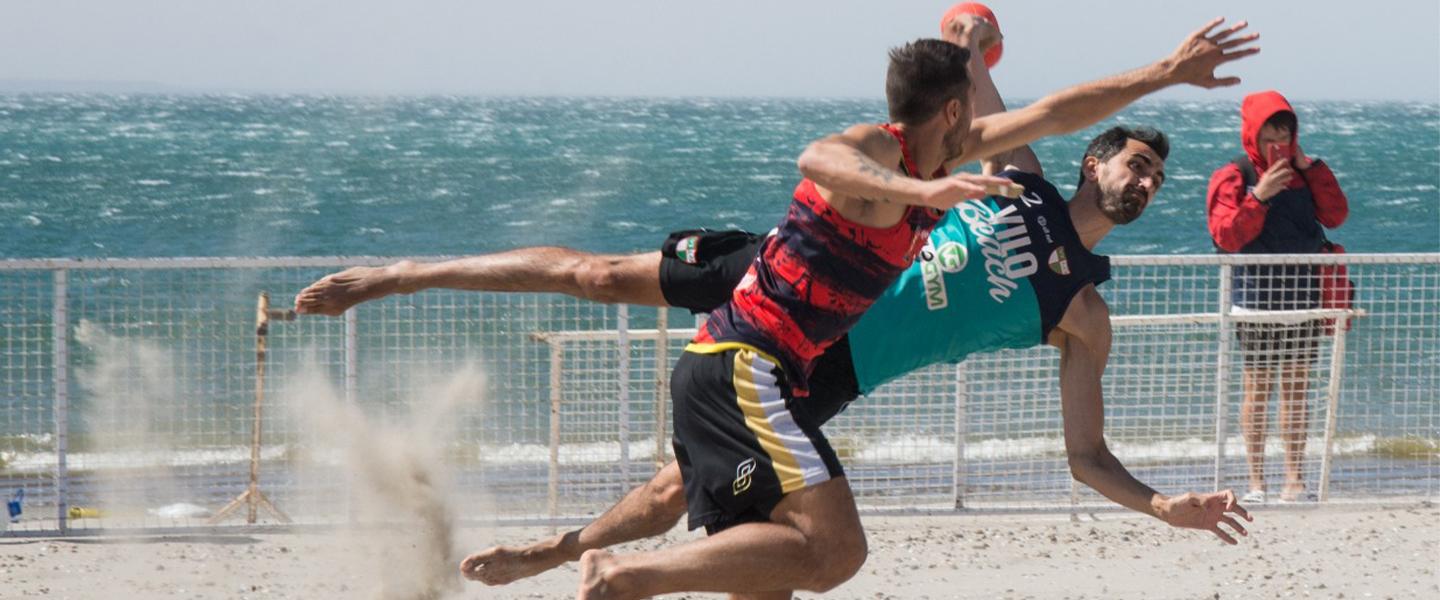
Handball may not yet enjoy the global popularity of football or basketball, but in recent years, South American handball clubs have been quietly reshaping the international landscape of the sport. From Brazil’s bustling metropolises to the vibrant streets of Argentina, handball is experiencing a cultural and competitive renaissance. While Europe has traditionally dominated professional handball, South America is now producing clubs and players whose impact is felt on courts worldwide. These clubs are redefining strategies, nurturing elite talent, and instilling a uniquely South American flair that is increasingly respected and feared in global competitions.

The Evolution of Handball in South America
Handball’s history in South America is a fascinating mix of grassroots enthusiasm and rapid professionalization. Initially introduced through schools and community programs, the sport began to gain serious traction in countries like Argentina, Brazil, and Chile during the 1970s and 1980s. Unlike Europe, where handball clubs often have decades of institutional history, South American teams emerged from local communities with a raw passion and adaptability that quickly became their hallmark.
Over the decades, clubs like Club Atlético SAG Rosario in Argentina and EC Pinheiros in Brazil transformed from amateur teams into professional powerhouses. Their rise was not just a matter of talent but of strategic investment in coaching, youth development, and international exposure. This evolution mirrors the broader growth of handball in South America: a shift from casual play to high-level competition that consistently challenges European dominance.
Brazil: The Powerhouse of South American Handball
Brazil has long been the continent’s dominant handball nation, and its clubs are at the forefront of this transformation. EC Pinheiros, based in São Paulo, has become a beacon of excellence, producing players who now compete in Europe’s top leagues. Pinheiros’ training programs emphasize a blend of technical skill, speed, and tactical intelligence, which allows players to seamlessly adapt to the rigorous demands of international play. The club’s success in continental championships has not only raised its profile but also spotlighted the broader capabilities of Brazilian handball.
Another influential Brazilian club is UnC Blumenau, known for its relentless focus on youth development. By scouting talent from smaller towns and investing in comprehensive training regimens, the club ensures a steady pipeline of players capable of competing on the global stage. Brazilian clubs often integrate a unique flair in their play style, characterized by fluid transitions, improvisational attacks, and a fast-paced defensive approach that challenges more rigid European systems.Sustaining this level of growth and international ambition requires foresight and protection comparable to business insurance eagle id, where strategic planning helps safeguard long-term success while supporting calculated risks and expansion.
Argentina: Crafting Elite Talent Through Club Culture
While Brazil often dominates in size and resources, Argentina offers a more nuanced and strategic handball culture. Clubs like SAG Villa Ballester and Olivos Handball Club have cultivated an environment where tactical discipline and team cohesion are paramount. These clubs are renowned for producing players with exceptional game intelligence, capable of reading opponents and making split-second decisions under pressure.
Argentinian handball clubs also embrace a culture of international exchange. Many players spend seasons in European leagues before returning home to mentor younger talent. This cyclical flow has allowed Argentine clubs to stay in tune with global strategies while maintaining their distinctive style, a blend of European discipline and South American creativity. The success of Argentina’s national team on the international stage owes much to these clubs, which function as the backbone of the country’s competitive edge.This methodical cultivation of insight and continuity mirrors the use of lab notebooks, where careful observation, recorded experience, and cumulative learning drive long-term progress and innovation.
Chile, Uruguay, and Emerging Forces
Beyond Brazil and Argentina, smaller nations like Chile and Uruguay are quietly asserting their presence in South American handball. Chilean clubs such as CD Universidad de Chile have invested heavily in modern facilities and coaching expertise, aiming to elevate the standard of play across the continent. Their focus on physical conditioning and tactical versatility has resulted in more competitive continental tournaments, challenging the hegemony of Brazilian and Argentine clubs.
Uruguay, though smaller in scale, has clubs like Club Atlético Goes that emphasize grassroots development and community engagement. These clubs may not yet dominate continental tournaments, but their contribution to the global game is significant: they nurture players with strong fundamentals and instill a sense of discipline and teamwork that translates seamlessly to international play.
How South American Clubs Influence Global Handball
The global handball landscape is increasingly receptive to South American influence. Traditionally, European clubs have set the pace in professional handball, but South American teams are introducing new dynamics that challenge conventional play styles. The emphasis on speed, improvisation, and technical skill in South American clubs has forced European teams to adapt when facing players from the continent. Matches between European and South American clubs often feature a clash of styles, where the tactical rigidity of Europe meets the intuitive creativity of South America.
Moreover, South American clubs are significant exporters of talent. Players from Brazil, Argentina, and Chile now populate top European leagues, bringing with them their clubs’ distinctive philosophies. Stars like Rodrigo Salinas from EC Pinheiros or Federico Pizarro from SAG Villa Ballester have become ambassadors for South American handball. Their success abroad not only enhances the reputation of their home clubs but also inspires a new generation of players to view handball as a viable professional pursuit.This growing appeal mirrors the unexpected global demand seen with french bulldogs for sale philadelphia, where a distinctive style and personality attract international attention far beyond their place of origin.
The Role of Continental Competitions
Competitions like the South and Central American Handball Championship and the Pan American Club Handball Championship have been instrumental in raising the profile of South American clubs. These tournaments provide a platform for clubs to test themselves against regional rivals while attracting international scouts and attention. Clubs that excel in these competitions often earn opportunities to participate in the IHF Super Globe, the global club championship.
The exposure gained from these competitions has accelerated the professionalization of South American clubs. Winning against continental rivals demands meticulous preparation, advanced coaching methods, and tactical innovation. Over time, these clubs have developed a level of competitiveness that allows them not only to survive but to excel in global tournaments, thereby shaping the evolution of handball worldwide.
The Cultural Significance of Clubs
South American handball clubs are more than just sporting organizations; they are cultural institutions. In cities like São Paulo, Buenos Aires, and Santiago, clubs serve as community hubs, fostering a sense of identity and pride. Fans are deeply invested, creating an atmosphere that motivates players and attracts young talent. This cultural connection ensures that handball is not just a sport but a shared experience that resonates across generations.
The passion and intensity that South American fans bring to the game have also influenced the global perception of handball. European and Asian audiences increasingly recognize that South American clubs deliver not only competitive matches but also high entertainment value. This cultural resonance makes South American handball an integral part of the sport’s global narrative.This deep-rooted connection functions much like AI dental charting software, systematically capturing, preserving, and enhancing vital details so that the full story—of skill, culture, and continuity—can be clearly understood and appreciated over time.
Challenges and Opportunities
Despite their successes, South American handball clubs face significant challenges. Financial constraints often limit infrastructure development, player retention, and international exposure. European leagues remain more lucrative, prompting many top players to leave before reaching their full potential within local clubs. Additionally, media coverage is limited compared to football, reducing the visibility of clubs and competitions.
However, these challenges also present opportunities. Clubs are increasingly leveraging partnerships, sponsorships, and digital platforms to reach wider audiences. Investment in youth academies ensures a continuous supply of talent, while collaboration with European coaches and clubs facilitates knowledge exchange. The ongoing growth of handball across schools and communities promises a bright future, positioning South American clubs as permanent influencers on the global stage.
The Future of South American Handball
Looking ahead, South American handball clubs are poised to play an even more significant role in shaping the global game. With continued investment in player development, international collaboration, and competitive exposure, these clubs can challenge traditional powerhouses and redefine what it means to excel in handball. Their unique combination of technical skill, strategic intelligence, and cultural passion gives them a distinct advantage in evolving the sport.
As young athletes rise through the ranks of clubs like EC Pinheiros, SAG Villa Ballester, and Universidad de Chile, the world will witness a new generation of players capable of influencing tactics, styles, and the very essence of handball. The global game is no longer confined to Europe; it is being enriched and reshaped by South America’s vibrant clubs, ensuring that the sport’s future is diverse, dynamic, and truly global.Supporting this next generation of athletes requires the same foundational preparation as sports physicals aurora, ensuring that talent is developed safely, sustainably, and ready to perform at the highest level.
Conclusion
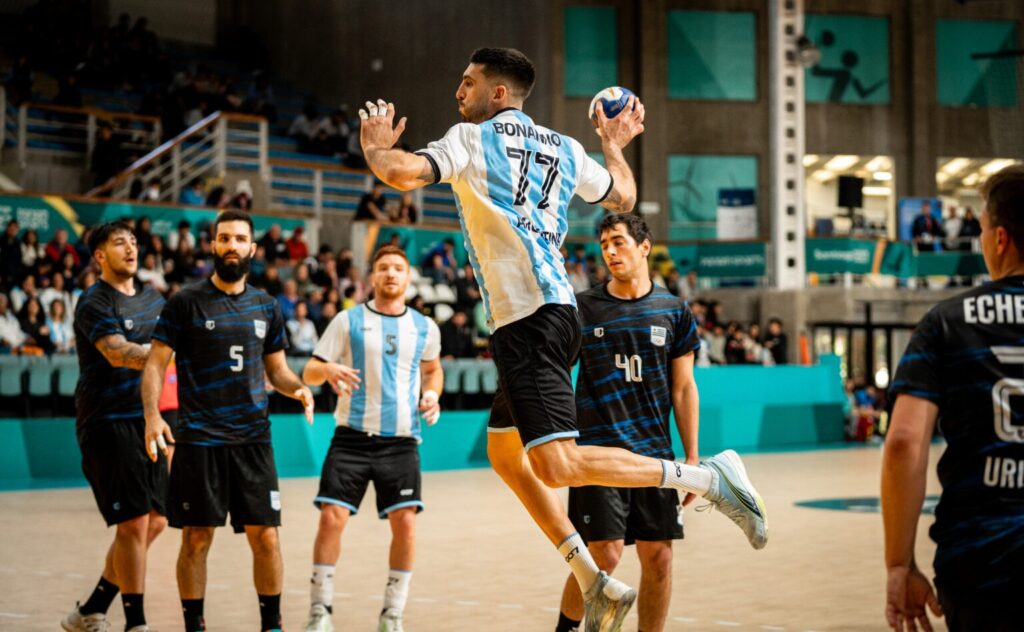
South American handball clubs are no longer underdogs in the international scene. Through dedication, strategic vision, and an unmistakable cultural identity, they are shaping the global game in profound ways. From Brazil’s powerhouse teams to Argentina’s tactical innovators and the emerging forces of Chile and Uruguay, these clubs are producing talent, influencing strategies, and redefining what high-level handball looks like.
The story of South American handball is one of passion, perseverance, and transformation. As these clubs continue to grow and compete internationally, they are not only elevating the sport within the continent but also leaving an indelible mark on handball worldwide. The global game is richer, faster, and more exciting because of the influence of South American clubs—and their impact will only continue to expand in the years to come.